Last Updated: September 2026
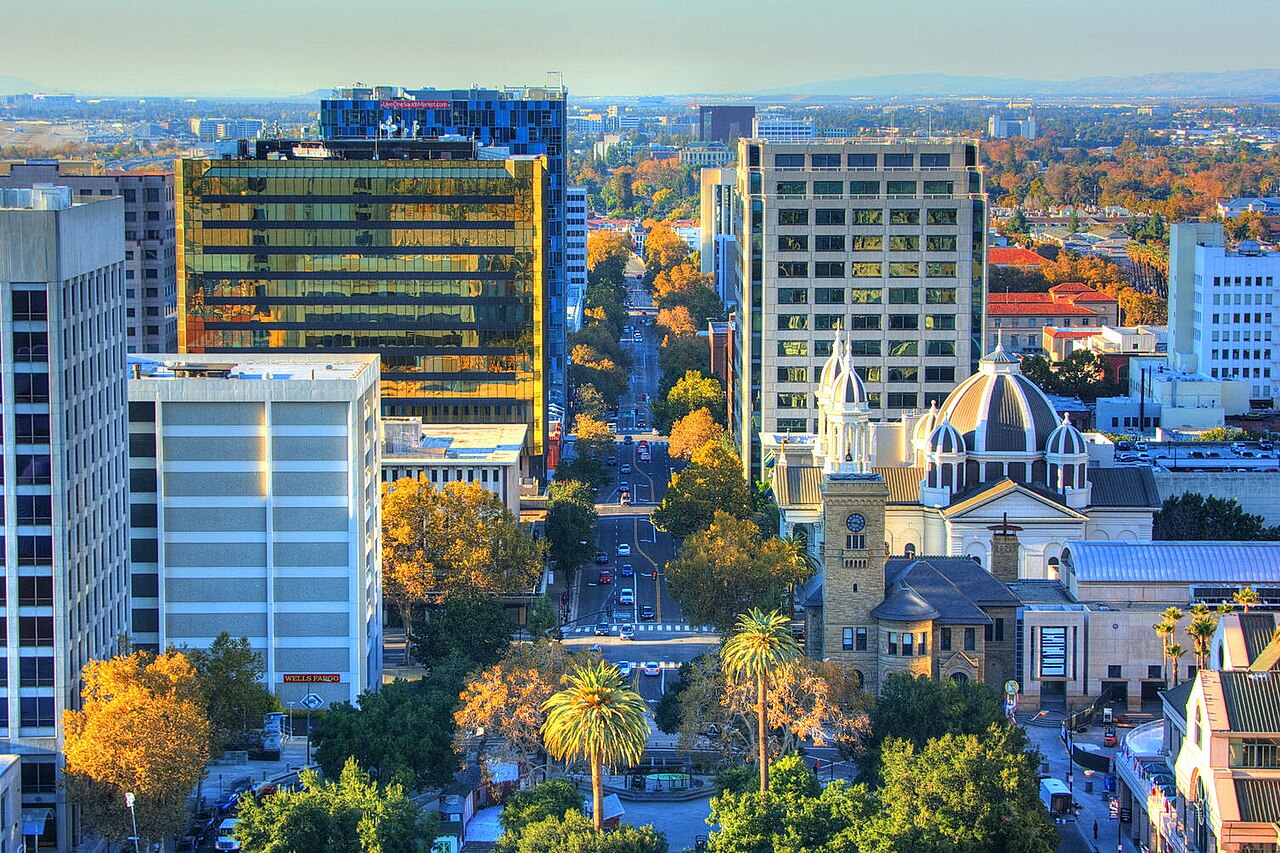
Mushroom shipping in San Jose serves a city with far more geographic range than its Silicon Valley reputation suggests. The eastern edge climbs into the Diablo foothills at Alum Rock Park, historic Japantown sits just north of Downtown, San José State University occupies the middle of the urban core, the Guadalupe River threads through central San Jose, and the city stretches south toward the agricultural and open-space landscape of Coyote Valley. Psychedelics Zone is an online dispensary where San Jose customers can compare mushroom gummies, mushroom chocolates, capsules, drink mixes, and other current formats before placing an eligible order for shipment.
There is no Psychedelics Zone San Jose storefront, warehouse, pickup counter, or local courier associated with this page.
Explore the Psychedelics Zone Shop →
Review Current Shipping Information →
Mushroom Shipping in San Jose: What to Know Before Ordering
Psychedelics Zone fulfills San Jose orders through shipping rather than through a local retail location.
The current Shipping Policy states that Psychedelics Zone ships to all 50 U.S. states, processes orders within 1–2 business days, and lists typical delivery at 3–7 business days after shipment. USPS and UPS are currently identified as the primary carriers.
Orders ship in plain, discreet packaging with no product details visible on the exterior. The current policy also says Psychedelics Zone does not ship to P.O. boxes, APO, or FPO addresses.
Read the Psychedelics Zone Shipping Policy →
San Jose contains an enormous range of housing.
A detached home in Almaden may receive packages differently from a Downtown apartment, a Japantown condominium, a newer transit-oriented building near Diridon, or university housing around SJSU.
Depending on the property, a parcel may be routed through a:
- porch or direct residential entrance;
- shared mailroom;
- package locker;
- front desk;
- leasing office;
- building manager;
- university mailroom;
- other designated receiving area.
Discreet packaging does not guarantee private receipt.
Psychedelics Zone controls the exterior packaging it uses. It cannot guarantee who handles a parcel after the carrier reaches the destination property.
People searching for mushroom delivery San Jose should also understand the fulfillment distinction.
Psychedelics Zone ships online orders. This page does not claim a same-day San Jose courier, local inventory, pickup service, or city-based fulfillment warehouse.
San Jose Is Bigger Than Its Downtown Skyline
San Jose is Northern California’s largest city, with almost one million residents, and its scale is visible in the way neighborhoods and landscapes stretch across the Santa Clara Valley. The City describes itself as one of the country’s largest cities and notes that its park system includes more than 200 neighborhood parks and 65 miles of trail.
A useful way to understand San Jose is to stop thinking of it as one continuous tech district.
The city reaches:
east into foothills;
north toward Alviso and the Bay;
west toward Santa Clara and Campbell;
south through Almaden and toward Coyote Valley.
Within that enormous footprint are old agricultural landscapes, historic ethnic districts, Downtown towers, creek corridors, suburban neighborhoods, industrial employment areas, university blocks, and mountain foothills.
That range gives San Jose a city-page structure that should look nothing like Palo Alto, Oakland, or San Mateo.
Start in the Diablo Foothills at Alum Rock Park
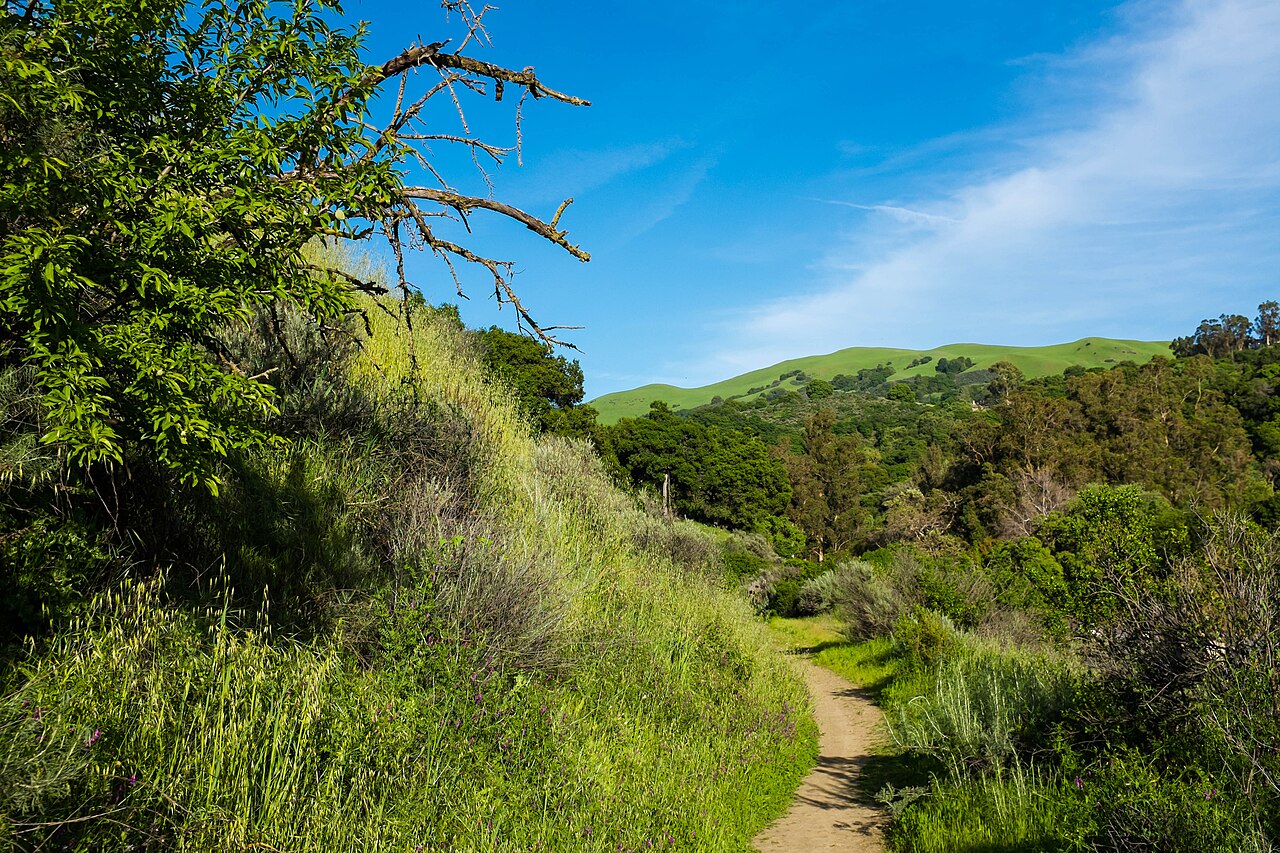
At San Jose’s eastern edge, Alum Rock Park gives the city one of its strongest geographic contrasts.
The City says Alum Rock Park was founded in 1872, making it California’s oldest municipal park. It occupies roughly 720 acres inside Alum Rock Canyon in the foothills of the Diablo Range.
The park currently contains approximately 13 miles of trails. Hiking is permitted throughout the trail system, while biking and horseback riding are limited to designated routes.
Its history is unusual.
From 1890 to 1932, Alum Rock operated as a nationally known health spa centered on mineral springs. The City notes that visitors once traveled from Downtown San Jose on the Alum Rock Steam Railroad, and remnants of old railroad bridges and mineral-spring grottos remain visible today.
That creates a surprisingly San Jose connection:
Downtown and the foothills were linked by rail more than a century ago.
Today, the park is better known for canyon scenery, wildlife, trails, and its natural setting.
Outdoor areas are included as local resources. They are not recommendations to combine intoxicating products with hiking, cycling, horseback riding, driving, or any other activity requiring alertness and coordination.
East San Jose Is Not Just the Road to Alum Rock
Descending out of the foothills brings the city back into East San Jose.
This side of San Jose contains several major neighborhood and commercial corridors, including Alum Rock Avenue, Story Road, Tully Road, and areas around Eastridge and Evergreen.
San Jose’s own planning framework treats areas such as Alum Rock Avenue, Story Road, Tully/Eastridge, Evergreen, and East Santa Clara Street as distinct commercial and neighborhood planning areas rather than one generic “East Side.”
That’s an important city-page distinction.
East San Jose is not simply the transition between Downtown and a park.
It is home to dense residential neighborhoods, immigrant-owned businesses, cultural institutions, schools, and some of the city’s most heavily used commercial corridors.
As you travel west, the city becomes increasingly connected with central San Jose.
Japantown Preserves One of San Jose’s Most Distinctive Cultural Landscapes
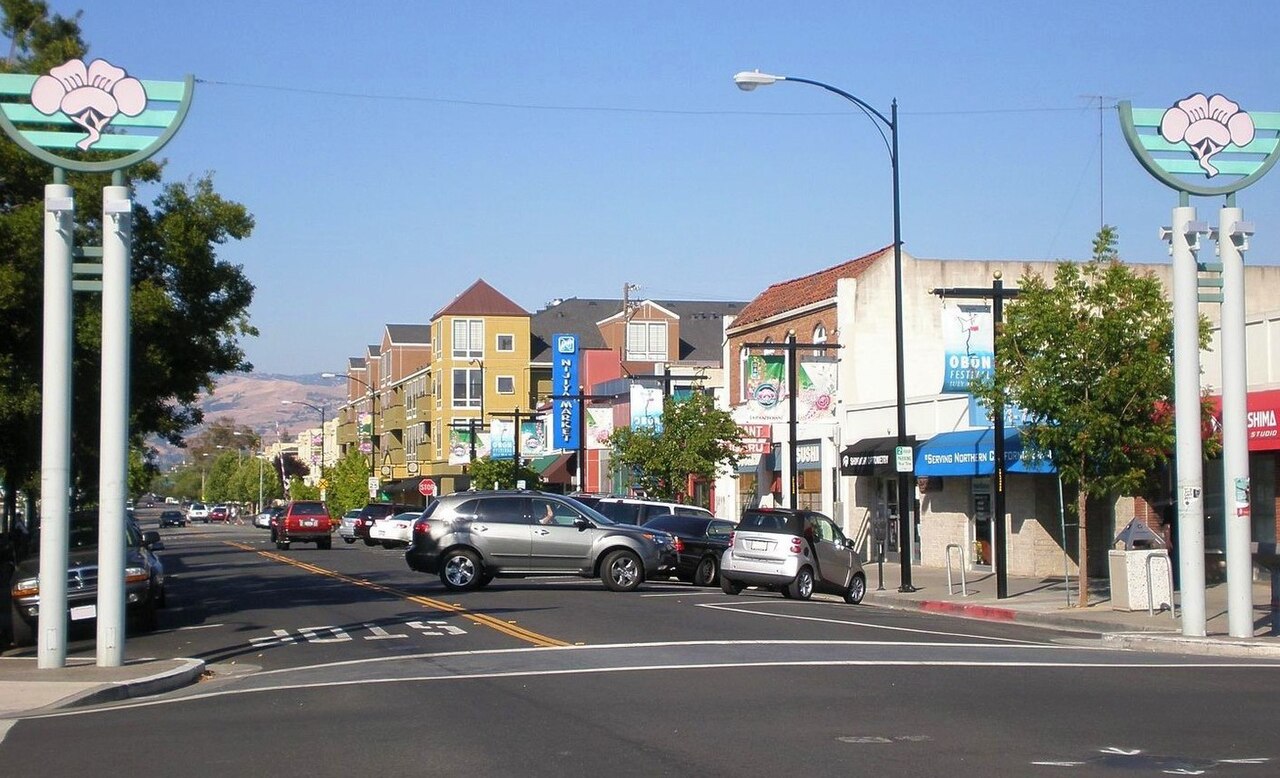
North of Downtown sits one of San Jose’s most nationally distinctive neighborhoods.
The City identifies San Jose’s Japantown as one of only three remaining historic Japantowns in the United States. Jackson Street functions as its principal commercial corridor, surrounded by Japanese American cultural institutions, businesses, community organizations, and places of worship.
Japantown Grew From an Earlier Chinatown
The neighborhood’s history has another layer.
City historical documents identify the area as the former site of Heinlenville, a Chinatown established after anti-Chinese violence and the destruction of San Jose’s earlier Chinatown. The later Japanese American community developed around and beside that earlier district.
The City describes today’s Japantown as having a Japanese American presence extending back more than a century.
That means Japantown’s history is not a single cultural timeline.
Chinese American and Japanese American histories overlap here.
Contemporary cultural institutions continue those relationships into the present.
This is exactly the kind of local history that makes San Jose more interesting than the shorthand “Capital of Silicon Valley.”
Downtown San Jose Is Both Civic Center and Neighborhood Connector
Move south from Japantown and the city reaches Downtown.
San Jose’s Downtown Transportation Plan defines Greater Downtown broadly: Japantown lies to the north, San José State University forms the eastern side, and the Diridon/St. Leo’s area sits to the west.
That description is useful because Downtown is not an isolated business district.
It sits between major city institutions and neighborhoods.
Plaza de César Chávez Has Been a Gathering Place Since the Pueblo Era
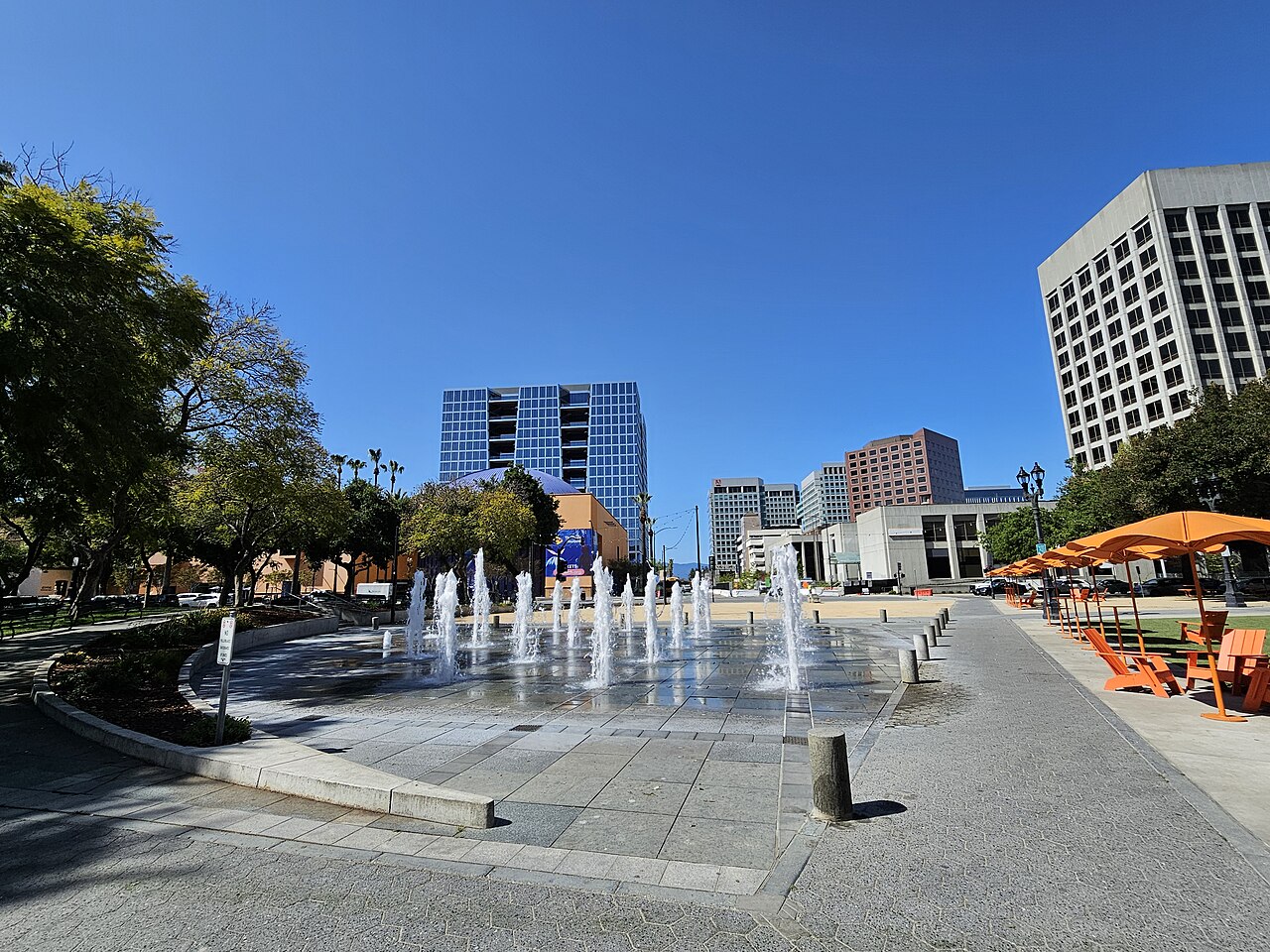
At the center of Downtown is Plaza de César Chávez.
The City describes the site as San Jose’s civic gathering place for nearly 250 years, dating its origin to the Pueblo de San José in 1777. It continues to host public celebrations, events, and everyday recreation.
The plaza’s surrounding blocks connect museums, hotels, restaurants, convention activity, San José State, and the Downtown street network.
It becomes especially visible during major annual events.
San José State University Is Part of Downtown, Not a Separate Campus District Outside the City
San José State University’s main campus occupies 88 acres in the middle of Downtown San José. The university says its main campus includes more than 50 major buildings and eight residence halls.
That location changes Downtown’s character.
Students, classrooms, residence halls, libraries, sports facilities, and university events are woven directly into central-city streets rather than separated onto a suburban campus.
A Note About SJSU Package Receiving
University housing deserves its own receiving guidance.
SJSU maintains specific residential mailrooms for different housing communities and requires residents to use precise name, building, box, and room information. The university warns that incompletely addressed mail may be returned.
Psychedelics Zone does not control SJSU housing rules, university mailrooms, or package policies.
If you live in SJSU-affiliated housing, check the current University Housing Services mail instructions for your particular residence before ordering.
Inclusion of SJSU on this page does not imply any relationship, endorsement, or authorization by the university.
The Guadalupe River Runs Through Central San Jose
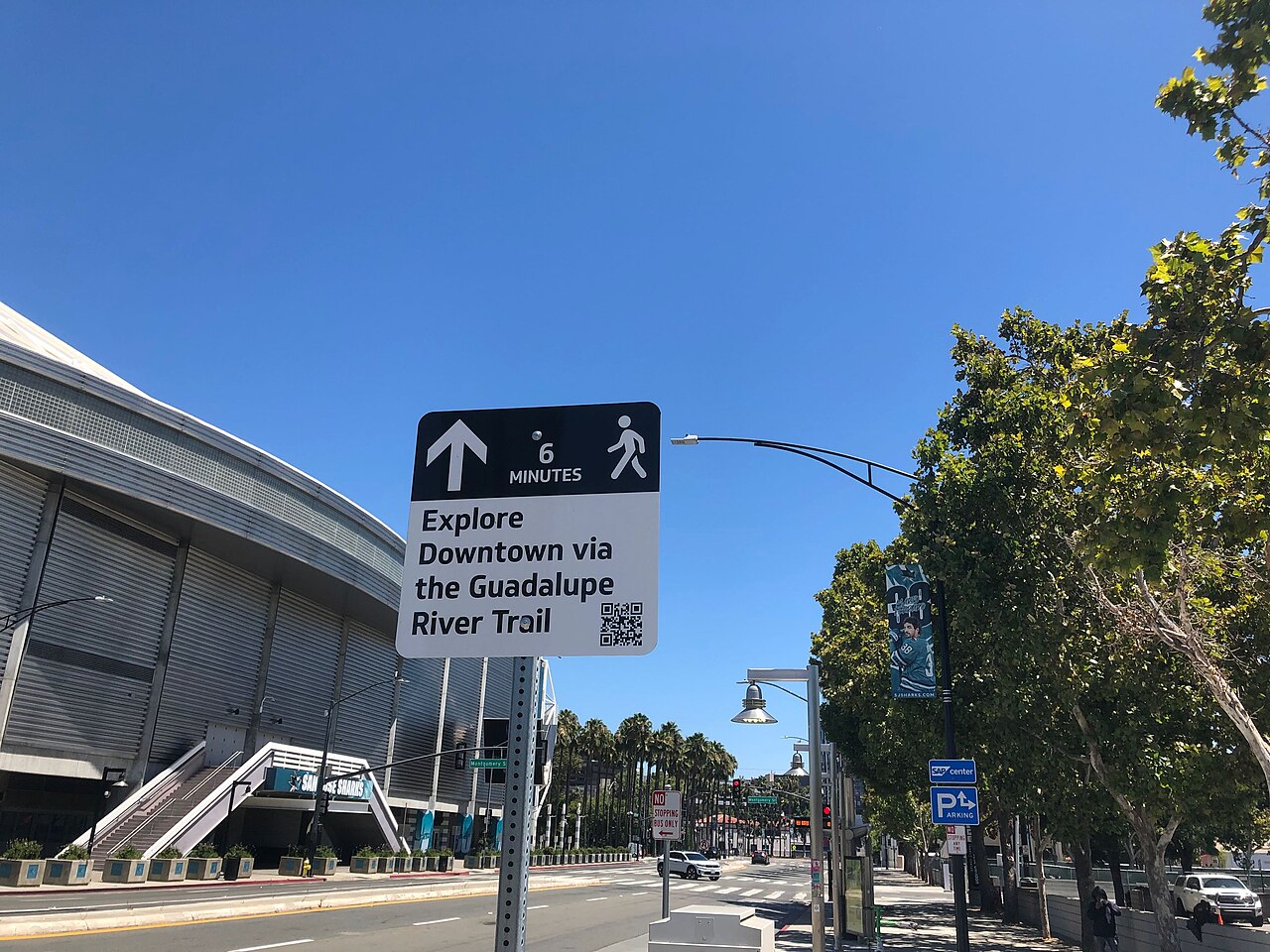
Downtown San Jose also has an urban-waterway story that is easy to overlook.
The Guadalupe River passes through central San Jose, and the City’s trail network connects the river corridor with Downtown and northern parts of the city. The Guadalupe River Trail is listed as extending between Alviso and Downtown San José.
Guadalupe River Park itself covers roughly 120 acres near central San Jose.
This gives the center of the city an unexpected green thread:
river;
trail;
parks;
Downtown towers;
airport and transit infrastructure nearby.
That urban-river relationship is very different from San Mateo’s Bayfront or Oakland’s Lake Merritt.
It belongs specifically to San Jose.
Diridon Is Where San Jose Becomes a Regional Rail City
West of Downtown, San Jose Diridon Station adds one of the city’s strongest transportation stories.
VTA describes Diridon as already serving Caltrain, ACE, Capitol Corridor, Amtrak, buses, and light rail, with future BART service planned through the Silicon Valley Phase II extension.
VTA has described the station’s future role as a potential “Grand Central Station of the West” because of the number of rail systems planned to converge there.
That phrase should not be treated as a promise that every planned project is already complete.
Current transit and future transit need to remain separate.
Today, Diridon already links regional rail, local transit, Downtown, the SAP Center, and The Alameda.
The planned BART station remains a future project.
San Jose’s BART Geography Requires Precision
San Jose does have current BART access at Berryessa/North San José, while the Downtown and Diridon BART stations are part of the future Phase II extension.
VTA currently runs Rapid 500 between San Jose Diridon and Berryessa BART, showing how those two transit nodes are connected before the future extension is completed.
Do not write this page as if BART already runs underground through Downtown San Jose or Diridon.
That would be geographically and operationally inaccurate.
South San Jose Opens Toward Almaden and Coyote Valley
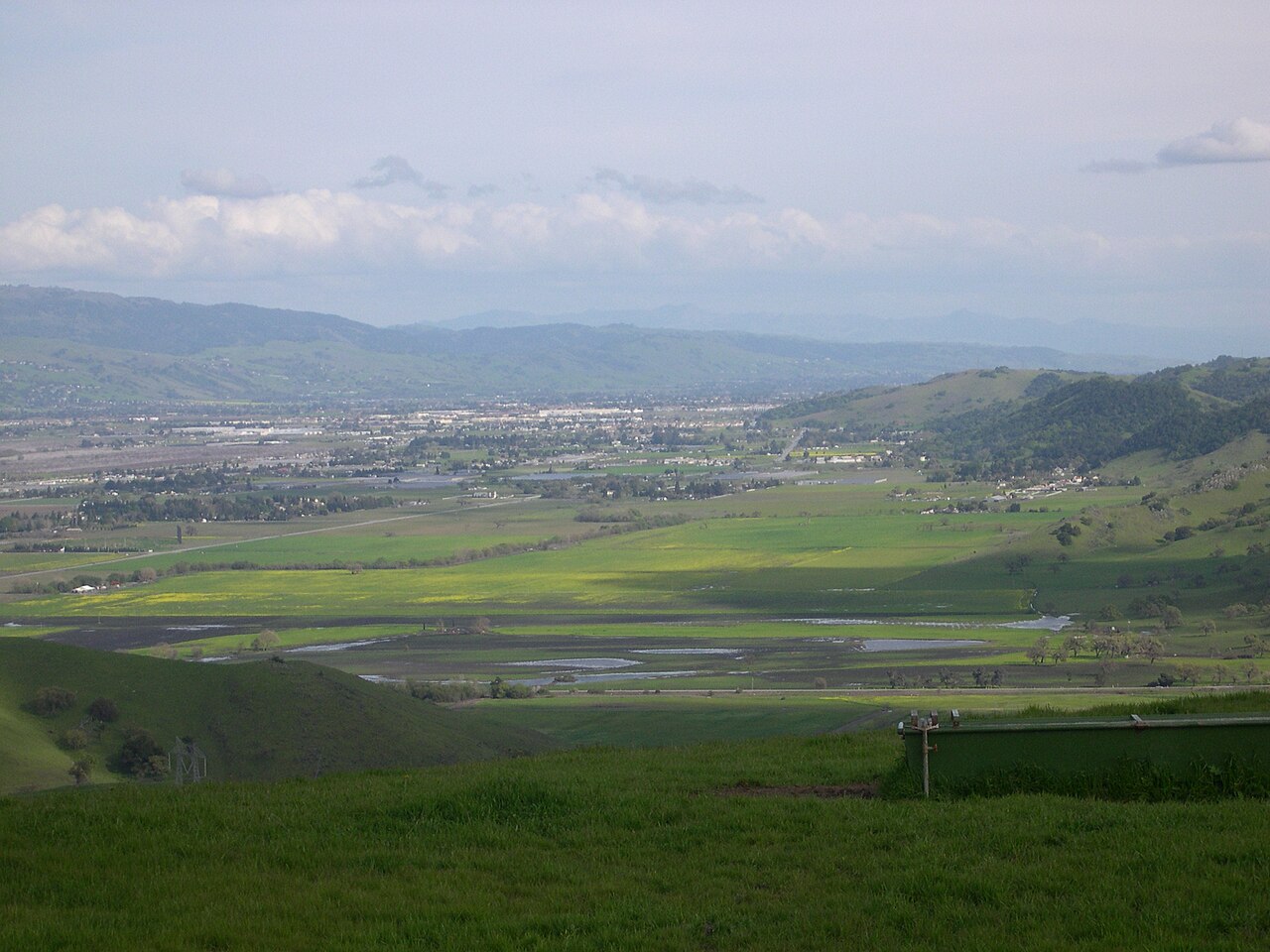
San Jose does not end at Downtown or its suburban neighborhoods.
Continue south and the urban landscape eventually thins toward Almaden, Santa Teresa, and Coyote Valley.
Coyote Valley is especially important because it preserves a side of San Jose that has little to do with office towers.
The City describes Coyote Valley as its last remaining productive agricultural area and a major open-space and wildlife resource. It also serves as a wildlife linkage between the Santa Cruz and Diablo mountain ranges.
In 2019, a public-private conservation partnership permanently protected 937 acres in North Coyote Valley. The City described the landscape as critical natural infrastructure for wildlife movement, flood protection, and regional climate resilience.
That creates one of San Jose’s strongest visual contrasts:
Downtown towers and rail infrastructure in the center.
Agriculture, wetlands, open land, and mountain connections at the southern edge.
San Jose’s scale makes that combination possible.
What’s Happening in San Jose? Events Follow the City’s Geography
San Jose has enough recurring programming that a useful event section should follow neighborhoods and public spaces instead of becoming a giant calendar dump.
Viva CalleSJ Turns Streets Into Public Space
Viva CalleSJ is one of the city’s most distinctive recurring programs.
The City describes it as a free event that temporarily closes miles of San Jose streets so people can walk, bike, skate, play, and explore connected neighborhoods.
In 2026, one Viva Calle route linked Japantown, St. James Park, Downtown, and the Santa Clara County Fairgrounds, demonstrating exactly why this event belongs on the city page: it physically connects different parts of San Jose.
Christmas in the Park Anchors the Holiday Season Downtown
Christmas in the Park is one of San Jose’s longest-running public traditions.
City materials describe it as a Downtown holiday event centered on Plaza de César Chávez for more than four decades.
The City’s current 2026 cultural-events calendar lists Christmas in the Park running from late November into early January, alongside Downtown Ice and other seasonal programming.
For evergreen copy, use the live calendar for exact dates rather than hardcoding a schedule.
Veterans Day Parade and Downtown Festivals
The City’s 2026 cultural-events calendar also lists the San Jose Veterans Day Parade along Santa Clara and Market streets, along with multiple Downtown arts, cultural, running, and seasonal events.
Japantown Events Bring a Different Cultural Calendar
Japantown’s community organizations and cultural institutions produce their own recurring events, separate from the Downtown civic calendar.
That distinction matters.
A Japantown cultural event does not feel like an event at Plaza de César Chávez, just as a Viva Calle route across several neighborhoods serves a different purpose from a single-site festival.
Use Live Calendars
Schedules, routes, and permits change.
Use current City and organizer calendars for dates, road closures, event rules, and registration information.
San Jose Neighborhoods and Nearby Cities Should Stay Separate
San Jose’s size makes geographic accuracy particularly important.
Within the city are areas and neighborhoods such as:
Downtown;
Japantown;
Willow Glen;
Alum Rock;
Evergreen;
Almaden Valley;
Berryessa;
Rose Garden;
Cambrian;
Santa Teresa;
East San Jose;
North San Jose.
Nearby cities are different.
Santa Clara is a separate city west and northwest of central San Jose.
Campbell is separate to the southwest.
Milpitas is separate to the north.
Cupertino is separate to the west.
Saratoga, Los Gatos, and Morgan Hill are also separate municipalities.
Alviso is different again: it is a historic community within the City of San Jose and uses the 95002 postal ZIP.
That distinction matters both for readers and for location-page architecture.
Receiving Mushroom Shipping at San Jose Homes, Apartments, Condos, and Campus Housing
A city as large as San Jose creates many different package-receiving environments.
Downtown apartments may use staffed lobbies or parcel rooms.
Newer buildings near transit may use electronic lockers.
A Willow Glen or Almaden house may receive packages directly at the residence.
Large multifamily communities in North or South San Jose may have centralized receiving systems.
SJSU housing has its own university mailroom process.
Before ordering:
use the complete valid street address;
include all apartment, suite, or unit information;
understand how the destination property accepts parcels;
and follow any university or building-specific receiving rules.
Review Current Shipping Information →
Compare Mushroom Gummies, Chocolates, Capsules, and Other Formats
People searching for magic mushrooms San Jose, mushroom chocolates San Jose, mushroom chocolate bars San Jose, or shroom bars San Jose may use those terms broadly.
The actual product listing matters more than the keyword.
The current Psychedelics Zone shop includes gummies, chocolates, capsules, tinctures, spritzes, drink mixes, dried mushroom products, Wellness & Intention items, and bundles.
Compare All Current Product Formats →
Mushroom Gummies
Mushroom gummies provide a flavored edible format.
Different products can vary substantially in ingredients and formulation. The current Shop explicitly warns shoppers not to assume that every mushroom gummy contains psilocybin.
Mushroom Chocolates and Chocolate Bars
Chocolate is particularly relevant to the keyword strategy because the uploaded dataset shows strong search demand around mushroom chocolate, mushroom chocolate bars, magic mushroom chocolate, and shroom bars.
The live Psychedelics Zone Shop currently includes a dedicated Chocolate category with multiple chocolate-bar products. Individual product pages remain the source of truth for ingredients and formulation.
Mushroom Capsules
Capsules provide a compact, flavor-free format for shoppers who prefer an alternative to gummies or chocolates.
Drink Mixes
Drink mixes provide a beverage-format alternative to traditional edible and capsule formats.
Other Current Formats
The current Shop also lists tinctures, spritzes, dried mushroom products, Wellness & Intention products, and bundles.
A mushroom product should never be assumed to contain psilocybin simply because someone reached the page through a search for psilocybin San Jose or magic mushrooms San Jose.
The individual live product page—not the keyword—is the source of truth.
What Should You Look for Before Choosing?
Product format is only one part of comparing mushroom products.
The Psychedelics Zone guide How to Select Quality Mushrooms for Safe Use discusses labeling, packaging, visual-quality indicators, and other considerations that can help shoppers evaluate products more carefully.
How to Select Quality Mushrooms for Safe Use →
Use educational information as a starting point, then review the current individual product page for exact ingredients, formulation, serving information, and availability.
Explore Current Psychedelics Zone Brands
Brand availability changes.
Use the current Psychedelics Zone Brands directory as the source of truth rather than maintaining a static brand roster on the San Jose city page.
Explore Psychedelics Zone Brands →
Frequently Asked Questions
Does Psychedelics Zone ship mushroom products to San Jose?
Yes. Psychedelics Zone’s current Shipping Policy states that eligible orders ship to all 50 U.S. states, which includes valid San Jose addresses. Orders are placed online rather than through a San Jose storefront.
Is mushroom shipping in San Jose discreet?
Yes. The current policy states that orders ship in plain, discreet packaging with no product details visible on the exterior. That does not guarantee private receipt if a destination uses a shared mailroom, locker, front desk, or university receiving system.
Does Psychedelics Zone offer same-day mushroom delivery in San Jose?
This page does not claim same-day local delivery. Psychedelics Zone fulfills San Jose orders through shipping rather than through a local courier, warehouse, pickup point, or city-based inventory operation.
Is Alum Rock Park really inside San Jose?
Yes. Alum Rock Park is a City of San José park in Alum Rock Canyon at the eastern edge of the city. The City dates the park to 1872 and describes it as California’s oldest municipal park.
Why is San Jose’s Japantown important?
San Jose’s Japantown is one of only three remaining historic Japantowns in the United States. Its history also overlaps with Heinlenville, an earlier Chinatown established in the same part of the city.
Is San José State University actually Downtown?
Yes. SJSU describes its 88-acre main campus as being in the middle of Downtown San José.
Does BART already stop at Downtown San Jose and Diridon?
No. Berryessa/North San José is currently open, while Downtown San José and Diridon are part of the future BART Silicon Valley Phase II extension. Diridon already serves Caltrain, ACE, Capitol Corridor, Amtrak, buses, and light rail.
What makes Coyote Valley important to San Jose?
Coyote Valley is San Jose’s last remaining productive agricultural area and an important open-space and wildlife corridor between the Santa Cruz and Diablo mountain ranges.
From the Foothills to Coyote Valley
San Jose is too large and too varied to reduce to Silicon Valley offices.
Start in Alum Rock Canyon where San Jose meets the Diablo foothills.
Come west through East San Jose.
Reach Japantown and more than a century of Japanese American community history layered over an earlier Chinatown.
Continue into Downtown, where Plaza de César Chávez and San José State University anchor civic and university life.
Follow the Guadalupe River through the urban core.
Move toward Diridon, where regional rail systems converge.
Then keep going south until dense city gives way to agriculture and open space around Coyote Valley.
Foothills. Neighborhoods. Japantown. Downtown. River. Rail. Open valley.
That’s San Jose.
When you’re ready to shop, Psychedelics Zone lets San Jose customers compare mushroom gummies, mushroom chocolates and chocolate bars, capsules, drink mixes, and other current formats online before reviewing shipping information and placing an eligible order.
Responsible Purchasing
The current Psychedelics Zone Shipping Policy states that customers confirm they are 21+ when placing an order and are responsible for complying with applicable local and state laws.
Review current individual product pages for ingredients, formulation, serving information, and availability.
Do not assume a mushroom product contains psilocybin unless the live individual product listing verifies that formulation.
Never drive, cycle, ride horseback, or participate in other activities requiring alertness, balance, coordination, or judgment while impaired.
Product and educational information should not be interpreted as medical advice.
ZIP Codes Serving San Jose
The City of San José’s own generalized USPS ZIP map supports these principal San Jose street-delivery ZIP areas:
95002, 95110, 95111, 95112, 95113, 95116, 95117, 95118, 95119, 95120, 95121, 95122, 95123, 95124, 95125, 95126, 95127, 95128, 95129, 95130, 95131, 95132, 95133, 95134, 95135, 95136, 95138, 95139, 95140, 95148.
95002 is the Alviso postal area; Alviso is part of San Jose, and City facilities there use San Jose, CA 95002.
95192 is a special-use San José State University ZIP rather than a normal residential street-delivery ZIP. SJSU uses it for its institutional address, while student housing mailrooms use specific 95112 and 95113 addresses and procedures.
Important postal-boundary note: San Jose’s municipal limits and USPS ZIP service areas do not match perfectly. The City’s own ZIP map explicitly describes its boundaries as generalized and recommends USPS verification for the most current postal information.