

Nearly one in five adults in the United States faces a mental health challenge each year, yet many find standard treatments ineffective. As more people seek alternatives, psychedelic therapy has emerged as a promising option for those with stubborn depression, anxiety, or trauma. Unraveling the truth behind this approach can help clear up persistent myths and reveal how carefully guided psychedelic sessions are reshaping mental health care.
Table of Contents
- Defining Psychedelic Therapy And Its Misconceptions
- Types Of Psychedelic Therapies And Substances Used
- How Psychedelic Therapy Sessions Work
- Legal Status And Safety Considerations In The U.S.
- Potential Benefits, Risks, And Side Effects
Key Takeaways
| Point | Details |
|---|---|
| Psychedelic Therapy Defined | Involves controlled sessions using substances like psilocybin and MDMA to treat complex mental health conditions, differing from traditional medications. |
| Common Misconceptions | Misunderstandings persist that psychedelic therapy is unstructured or recreational, despite scientific research validating its rigorous protocols. |
| Therapeutic Process | Sessions follow a structured approach with preparation, direct substance experience, and integration, facilitated by trained professionals for safety and effectiveness. |
| Legal and Safety Considerations | Most psychedelic substances are Schedule I drugs in the U.S., necessitating adherence to rigorous safety protocols in research and clinical settings. |
Defining Psychedelic Therapy and Its Misconceptions
Psychedelic therapy represents a groundbreaking mental health approach involving carefully controlled therapeutic sessions using substances like psilocybin, LSD, and MDMA to address complex psychological conditions. According to research from Johns Hopkins, these therapies aim to induce altered states of consciousness that can potentially unlock profound healing and transformative psychological experiences.
At its core, psychedelic therapy differs dramatically from traditional pharmaceutical treatments. Instead of daily medication management, these sessions typically involve guided experiences where trained professionals support participants through carefully structured therapeutic interventions. The substances are administered in controlled clinical environments, with professional therapists helping patients navigate their inner psychological landscapes and process deep emotional insights.
Common misconceptions about psychedelic therapy often stem from outdated cultural narratives and limited understanding. Many people incorrectly assume these treatments are recreational or dangerous, when in fact modern psychedelic research demonstrates rigorous scientific protocols and carefully monitored therapeutic approaches. Key misunderstandings include:
- Believing psychedelic therapy is unstructured or reckless
- Assuming these treatments are equivalent to substance abuse
- Thinking participants are simply “getting high” without therapeutic intent
Research from leading institutions continues to challenge these myths, showing promising potential for treating conditions like depression, PTSD, and anxiety through carefully administered psychedelic interventions.
Types of Psychedelic Therapies and Substances Used
Psychedelic therapy encompasses a diverse range of therapeutic approaches utilizing different substances, each with unique psychological and neurological effects. Understanding the role of psilocybin in therapy reveals how these substances can profoundly impact mental health treatment. According to research from Johns Hopkins, the primary psychedelic substances used in therapeutic settings include psilocybin, MDMA, LSD, DMT, and mescaline.
Here’s a comparison of the primary psychedelic substances used in therapy:
| Substance | Primary Therapeutic Use | Notable Effects |
|---|---|---|
| Psilocybin | Depression Anxiety | Enhanced insight Altered mood |
| MDMA | PTSD Trauma | Emotional openness Reduced fear |
| LSD | Addiction Depression | Expanded awareness Perceptual shifts |
| DMT | Consciousness exploration | Intense visuals Brief duration |
| Mescaline | Personal growth Self-awareness | Mild visuals Emotional release |
Each psychedelic substance offers distinct therapeutic potential. Psilocybin, derived from magic mushrooms, has shown promising results in treating depression and anxiety. MDMA demonstrates exceptional effectiveness in addressing post-traumatic stress disorder (PTSD), helping patients process traumatic memories in controlled therapeutic environments. LSD and DMT are being explored for their potential in treating addiction, depression, and expanding consciousness awareness.

The therapeutic approach typically involves carefully structured sessions with professional guidance. These sessions are not recreational experiences but scientifically designed interventions that include:
- Preparatory counseling before substance administration
- Supervised therapeutic sessions in controlled clinical environments
- Integration counseling to process psychological insights
- Structured follow-up and long-term mental health monitoring
Research continues to expand our understanding of these substances. Psychedelics for PTSD treatment represents a particularly promising area of investigation, offering hope for individuals struggling with treatment-resistant mental health conditions.
How Psychedelic Therapy Sessions Work
Psychedelic therapy sessions are meticulously structured therapeutic experiences that differ dramatically from traditional medical treatments. Preparing for your psychedelic journey requires understanding the carefully designed protocol that ensures both psychological safety and therapeutic effectiveness. According to research from Johns Hopkins, these sessions typically involve three critical phases: preparation, direct substance experience, and integration.
The first phase, preparation, involves comprehensive psychological screening and counseling. Patients meet with trained therapists to establish therapeutic goals, discuss personal history, and create a supportive framework for the upcoming experience. During the actual session, patients receive a carefully measured psychedelic substance in a controlled, comfortable clinical environment. Therapists remain present throughout the experience, providing emotional support and ensuring physical and psychological safety.
The therapeutic process includes several key elements designed to maximize psychological healing:
- Thorough medical and psychological screening before session
- Creating a calm, supportive physical environment
- Professional therapist supervision during the entire experience
- Structured approach to processing psychological insights
- Comprehensive follow-up integration counseling
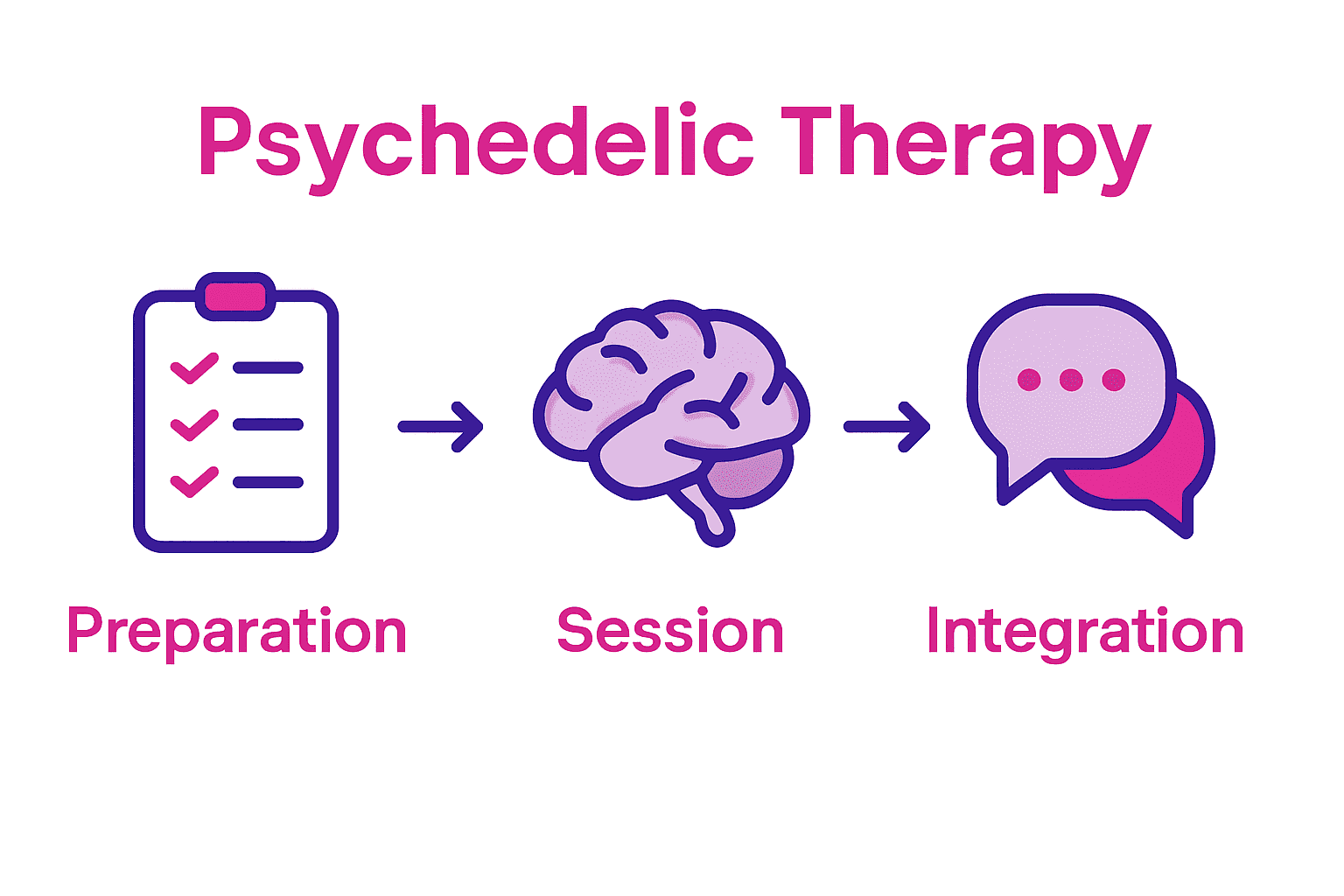
The final integration phase is crucial, where patients work with therapists to understand and apply the insights gained during their psychedelic experience. This collaborative process helps translate profound psychological experiences into meaningful personal growth and potential healing for conditions like depression, anxiety, and PTSD.
Legal Status and Safety Considerations in the U.S.
The legal landscape surrounding psychedelic therapy in the United States is complex and rapidly evolving. Currently, most psychedelic substances remain classified as Schedule I controlled substances, which technically prohibits their use outside of carefully regulated research environments. According to research from Johns Hopkins, this classification indicates a perceived high potential for abuse and no accepted medical applications, despite growing scientific evidence supporting their therapeutic potential.
Safety considerations are paramount in psychedelic therapy, with professional protocols designed to mitigate potential risks. Authorized clinical trials and research settings implement rigorous screening processes to ensure participant safety. These include comprehensive medical evaluations, psychological assessments, and controlled therapeutic environments with trained professionals continuously monitoring participants’ experiences.
Key legal and safety considerations include:
- Strict medical and psychological screening before participation
- Mandatory professional supervision during therapeutic sessions
- Controlled dosage administration
- Comprehensive medical and psychological support
- Adherence to federal and state regulatory guidelines
Emerging legal developments suggest a potential shift in regulatory approaches. Cities like Oregon and Denver have already taken steps toward decriminalization, and research institutions continue to demonstrate the potential medical benefits of carefully administered psychedelic therapies. However, individuals should always prioritize legal compliance and professional medical guidance when considering any form of psychedelic intervention.
Potential Benefits, Risks, and Side Effects
Psychedelic therapy represents a complex therapeutic approach with both profound potential benefits and significant potential risks. Magic mushrooms offer remarkable benefits for mind, body, and spirit when used in controlled therapeutic settings. According to research from Johns Hopkins, these substances demonstrate promising therapeutic potential for treating complex mental health conditions like treatment-resistant depression, anxiety, and post-traumatic stress disorder.
The potential benefits of psychedelic therapy include profound psychological insights, improved emotional processing, and breakthrough treatments for mental health disorders. Patients have reported significant reductions in depression symptoms, decreased anxiety, and enhanced personal growth. However, these potential benefits are accompanied by notable risks, including temporary hallucinations, altered perception, potential panic attacks, and rare instances of psychotic-like episodes.
Key considerations for psychedelic therapy include:
- Comprehensive psychological screening before treatment
- Potential for temporary psychological discomfort
- Risk of triggering underlying mental health conditions
- Possible short-term cognitive and perceptual alterations
- Importance of professional medical supervision
Critical side effects can vary depending on the specific substance and individual psychological profile. Participants may experience intense emotional experiences, temporary changes in perception, and potential psychological vulnerability. Professional therapeutic guidance is essential to navigate these complex psychological landscapes and minimize potential negative outcomes.
Start Your Psychedelic Therapy Journey With Confidence
Are you feeling uncertain about how to access safe, reliable psychedelic products or how to support your mental wellness beyond traditional methods? Many readers want to experience the transformative potential of therapies involving substances like psilocybin but worry about legality, quality, and convenience. Our site understands these challenges—especially the concerns around safety, trustworthy sourcing, and privacy when seeking psychedelic support. That is why we make the process effortless and discreet, with a special focus on helping you take real next steps after exploring guides like What Is Psychedelic Therapy? Complete Guide.

Do not let uncertainty hold you back from your healing. Visit Psychedelics Zone for expertly sourced, lab-tested mushroom products—delivered with total privacy and care to your door. Explore our curated Psychedelics Archives to find trusted capsules, edibles, and microdoses made for your wellness journey. Take action today and feel confident starting your next step with a provider that puts your safety and growth first.
Frequently Asked Questions
What is psychedelic therapy?
Psychedelic therapy is a mental health treatment approach that uses substances like psilocybin, LSD, and MDMA in carefully controlled therapeutic sessions to address psychological conditions like depression and PTSD.
How do psychedelic therapy sessions work?
Psychedelic therapy sessions typically involve three phases: preparation, the substance experience, and integration. This structured process includes a supportive environment, professional guidance, and follow-up counseling to ensure effective healing.
What are the potential benefits of psychedelic therapy?
Psychedelic therapy can offer profound psychological insights, improved emotional processing, and significant reductions in symptoms of mental health conditions such as depression and anxiety, especially in treatment-resistant cases.
What are the risks and side effects associated with psychedelic therapy?
While psychedelic therapy can provide benefits, it may also cause temporary hallucinations, altered perceptions, and psychological discomfort. Comprehensive screening and professional supervision are crucial to mitigate these risks.