
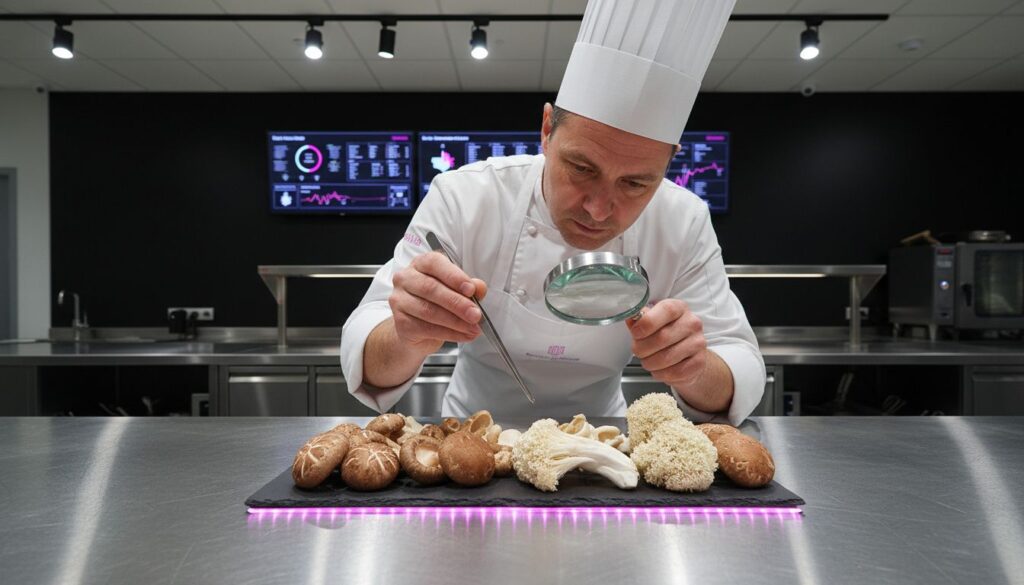
Did you know that over 90% of the quality in mushrooms comes down to just a handful of key factors? Whether for gourmet dishes or wellness rituals, the difference between average and outstanding mushrooms can be tasted, seen, and even felt. Freshness, purity, and nutritional power all play a part, but strict industry standards and careful sensory evaluation separate the best from the rest. Understanding these essential criteria helps buyers and enthusiasts get the most value and safety out of every mushroom encounter.
Table of Contents
- Defining Quality Mushrooms: Core Criteria Explained
- Types of Psychedelic Mushrooms and Quality Differences
- Key Characteristics of High-Quality Mushrooms
- Lab Testing, Purity, and Safety Protocols
- Legal Standards and Responsible Sourcing in the U.S.
Key Takeaways
| Point | Details |
|---|---|
| Nutritional Value | High-quality mushrooms are rich in essential nutrients, low in calories and fat, and provide health benefits through their diverse compounds. |
| Sensory Quality | Premium mushrooms must be clean, firm, undamaged, and have a distinctive aroma and taste, contributing to an optimal sensory experience. |
| Testing and Safety | Rigorous lab testing and microbiological safety protocols are essential for ensuring the purity and safety of mushroom products. |
| Responsible Sourcing | Complying with legal standards and practicing sustainable cultivation are crucial for producers aimed at delivering high-quality mushrooms. |
Defining Quality Mushrooms: Core Criteria Explained
Understanding what makes a mushroom high-quality involves examining multiple critical dimensions. According to research from the National Institutes of Health, quality mushrooms are distinguished by their remarkable nutritional profile, which includes an impressive array of essential compounds like sugars, amino acids, proteins, and vitamins.
The core criteria for evaluating mushroom quality extend beyond mere nutritional content. As research indicates, high-quality mushrooms must be clean, firm, and undamaged. They should exhibit a typical, appealing aroma and taste while being largely free from impurities like maggot damage or mineral contaminants. Sensory evaluation becomes paramount, with experts assessing appearance, texture, and overall sensory experience.
Nutritionally, premium mushrooms are characterized by their exceptional health attributes. They are typically low in calories and fat, yet high in dietary fiber and trace minerals. Exploring key mushroom strain comparisons can help enthusiasts understand the nuanced differences between various mushroom types and their unique nutritional profiles. Consumers seeking top-tier mushrooms should prioritize products that demonstrate:
Here’s a comparison of core criteria for evaluating mushroom quality:
| Core Criterion | Quality Food Mushrooms | Quality Psychedelic Mushrooms |
|---|---|---|
| Nutritional Content | High protein Rich fiber Vitamins & minerals |
Not primary factor |
| Sensory Attributes | Firm Clean Undamaged Natural aroma |
Visual integrity Distinct cap shape |
| Potency Levels | Not applicable | Psilocybin/psilocin content |
| Purity & Contamination | Minimal impurities No decay |
No contaminants Proper drying |
| Cultivation & Harvest | Minimal processing Sustainable practices |
Geographic origin Harvest timing |
| Safety Protocols | Microbial tests Lab analysis |
Microbial tests Lab analysis |
- Minimal processing
- Clear, vibrant coloration
- Consistent texture
- Absence of visible damage or decay
- Strong, natural aroma
- Verifiable nutritional composition
Types of Psychedelic Mushrooms and Quality Differences
Psychedelic mushrooms are diverse, with notable variations in potency, geography, and unique characteristics. Psilocybe azurescens, often called the flying saucer mushroom, stands out as one of the most potent psychedelic species. Native to the West Coast of the United States, this mushroom contains an impressive 1.8% psilocybin and 0.5% psilocin by dry weight, making it significantly more powerful than many other varieties.
Another widely distributed species is the Psilocybe cubensis, commonly found in tropical and subtropical regions. This mushroom features a distinctive cap that transforms from conic to convex when young, eventually becoming broadly convex or plane with age. Its widespread availability and consistent psychoactive properties make it a popular choice among enthusiasts. Enhancing the psychedelic mushroom experience can help users understand the nuanced differences between various mushroom types.
When evaluating psychedelic mushroom quality, several key factors come into play:
- Potency levels of psilocybin and psilocin
- Geographic origin and growing conditions
- Morphological characteristics
- Consistency of psychoactive effects
- Cultivation and harvesting methods
- Preservation and storage techniques
Understanding these variations helps users make informed choices about their psychedelic experiences, ensuring they select mushrooms that meet their specific preferences and therapeutic goals.
Key Characteristics of High-Quality Mushrooms
Defining high-quality mushrooms requires a comprehensive evaluation of multiple critical factors. According to research from the National Institutes of Health, nutritional composition stands as a primary indicator of mushroom quality. These remarkable fungi are characterized by an impressive array of essential compounds, including sugars, amino acids, proteins, fatty acids, vitamins, minerals, and phenolic compounds that contribute to their exceptional nutritional profile.
Sensory evaluation plays a crucial role in determining mushroom quality. Research indicates that premium mushrooms must be clean, firm, and completely undamaged. Top legal magic mushrooms reviewed can help enthusiasts understand the nuanced attributes that distinguish exceptional specimens. Experts meticulously assess key sensory characteristics such as:
- Appearance and visual integrity
- Consistent and appealing texture
- Natural and robust aroma
- Clean and distinctive taste
- Absence of organic or mineral impurities
- Minimal signs of damage or decay
Nutritionally, high-quality mushrooms offer remarkable health benefits. They are typically low in calories and fat while being exceptionally rich in dietary fiber and trace minerals. This unique nutritional composition makes them not just a culinary delight, but also a potential powerhouse of wellness, providing essential nutrients in a compact, natural package.
Lab Testing, Purity, and Safety Protocols
Ensuring the quality and safety of mushrooms requires sophisticated scientific methodologies. Lab testing plays a critical role in comprehensive quality assessment, utilizing advanced techniques like chromatography and spectroscopy to evaluate mushroom composition and purity. These sophisticated analytical methods allow researchers to conduct qualitative and quantitative studies that go far beyond simple visual inspections.
Microbiological safety is another crucial aspect of mushroom evaluation. Research indicates that thorough assessments involve detailed microbial count analyses and comprehensive sensory quality tests. Step-by-step guide to psychedelic trips can provide additional context about the importance of rigorous testing in ensuring safe psychedelic experiences. The key components of microbiological safety testing include:
- Comprehensive microbial count evaluations
- Detailed sensory quality assessments
- Appearance and textural integrity checks
- Aroma and taste profile analysis
- Detection of potential organic and mineral contaminants
- Storage stability evaluations
Modern lab testing protocols employ cutting-edge molecular techniques, including macroscopic, microscopic, and advanced chemical analysis. These methods create a multi-layered approach to mushroom quality assessment, ensuring that only the most pristine and safe specimens meet stringent scientific standards.
 This meticulous process helps protect consumers and maintain the highest levels of product reliability and safety.
Legal Standards and Responsible Sourcing in the U.S.
The landscape of mushroom cultivation and distribution in the United States is governed by stringent legal frameworks designed to protect public health and ensure product safety. The Food Safety Modernization Act (FSMA) represents a cornerstone of these regulatory efforts, establishing comprehensive guidelines for responsible sourcing and production of food products, including mushrooms.
Under the FSMA, mushroom producers and distributors are required to implement robust preventive control measures that go beyond traditional safety approaches. These regulations mandate systematic risk assessment, stringent quality control protocols, and transparent sourcing practices. Top legal magic mushrooms reviewed can help consumers understand the complex legal landscape surrounding mushroom products. Key legal requirements for responsible sourcing include:
- Comprehensive hazard analysis
- Documented preventive control strategies
- Regular facility inspections
- Transparent supply chain documentation
- Mandatory record-keeping protocols
- Rigorous microbiological testing procedures
Responsible sourcing extends beyond mere legal compliance. It encompasses ethical cultivation practices, sustainable production methods, and a commitment to consumer safety. By adhering to these stringent standards, producers demonstrate their dedication to delivering high-quality, scientifically validated mushroom products that meet the most rigorous regulatory requirements in the United States.
Discover Premium Quality Mushrooms With Confidence
If you value purity, potency, and safety as highlighted in the “Complete Guide to What Defines Quality Mushrooms,” finding a trusted source for your psychedelic mushrooms can be challenging. You want products that meet strict lab testing standards, possess consistent sensory and nutritional qualities, and come from responsible sourcing. Our platform understands your need for high-quality, carefully curated mushrooms that support your journey toward self-discovery and wellness.
Explore our extensive Mushroom Archives – Psychedelics Zone to browse premium products tested for purity and potency. Benefit from nationwide shipping with discreet packaging and fast delivery by shopping now at Psychedelics Zone. Take the next step toward a safe and enriching psychedelic experience with trusted quality at your fingertips.
Frequently Asked Questions
What are the core criteria for evaluating mushroom quality?
The core criteria for evaluating mushroom quality include nutritional content, sensory attributes such as firm texture and appealing aroma, absence of damage or decay, minimal impurities, and adherence to proper cultivation and harvesting methods.
How do nutritional profiles differ between quality food mushrooms and quality psychedelic mushrooms?
Quality food mushrooms are rich in protein, fiber, vitamins, and minerals, while the nutritional content is not a primary factor for psychedelic mushrooms, which are evaluated mainly for their potency and psychoactive properties.
What methods are used for lab testing mushrooms to ensure quality and safety?
Lab testing methods for mushroom quality involve advanced techniques such as chromatography and spectroscopy, as well as microbial count analyses to assess purity, safety, and overall quality.
What are the regulations governing mushroom sourcing and cultivation in the United States?
The Food Safety Modernization Act (FSMA) establishes comprehensive guidelines requiring hazard analysis, preventive control measures, facility inspections, and rigorous microbiological testing procedures for mushroom production and distribution.