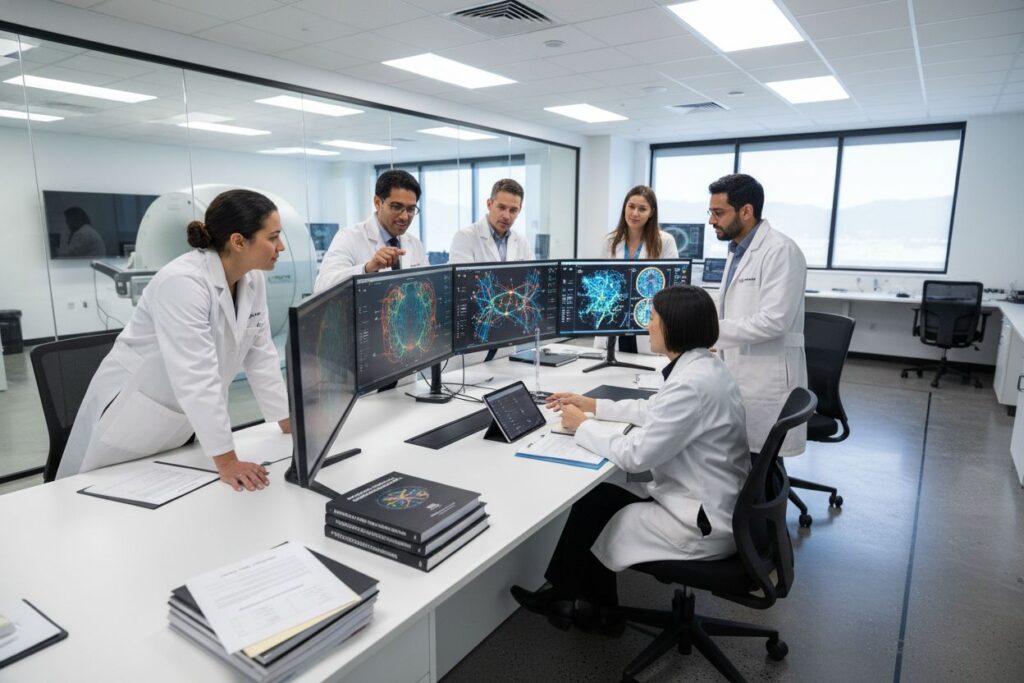
More than 17 million adults in the United States struggle with major depression, and traditional treatments often fall short. New research into psilocybin, the active compound found in magic mushrooms, is revealing stunning long-term benefits for mental health. Backed by scientific studies and careful clinical trials, this work is transforming how experts understand depression, addiction, PTSD, and other complex conditions. As findings accumulate, psilocybin is reshaping possibilities for patient care and recovery.
Key Takeaways
| Point | Details |
|---|---|
| Psilocybin Shows Promise in Mental Health | Research indicates that psilocybin may effectively treat depression, addiction, and psychological distress, with potential lasting effects from minimal dosing. |
| Innovative Neuroplastic Mechanisms | Psilocybin can induce significant changes in brain connectivity, potentially rewiring emotional processing and allowing for adaptive neural communication. |
| Evolving Legal Landscape | Psilocybin’s regulatory status is changing, with some states pushing for legislative reforms that facilitate research and therapeutic use. |
| Safety and Professional Management Required | Psilocybin studies must adhere to strict safety protocols and screening processes to mitigate psychological risks for participants. |
Table of Contents
- Core Concepts Of Psilocybin Research
- Major Areas Of Current Psilocybin Study
- Legality And Regulatory Status In The U.S.
- Therapeutic Potential And Health Applications
- Risks, Limitations, And User Safety
Core Concepts of Psilocybin Research
Psilocybin research represents a groundbreaking frontier in understanding how psychedelic compounds can transform mental health treatment. Neuroscientific investigations have shifted dramatically in recent years, moving from prohibition to careful, systematic exploration of psilocybin’s potential therapeutic applications. Learn more about magic mushrooms’ holistic benefits and how research is uncovering their profound impacts.
According to the Johns Hopkins Center for Psychedelic and Consciousness Research, psilocybin studies are revealing remarkable insights across multiple medical domains. Their NIH-funded trials are investigating critical conditions including:
Here’s a summary of current medical conditions studied in psilocybin research:
| Condition | Key Findings | Research Stage |
|---|---|---|
| Depression | Long-lasting symptom reduction | Phase 2/3 Trials |
| Addiction (Alcohol, Cigarettes) | Decreased use and cravings | Pilot/Human Trials |
| PTSD | Potential symptom relief | Early-phase Trials |
| Cancer-Related Psychological Distress | Reduced anxiety and depression (6+ months) | Clinical Trials |
| Alzheimer’s Disease | Examined for cognitive and mood impact | Ongoing Research |
| Anorexia Nervosa | Exploring therapeutic effects | Early Clinical Trials |
- Depression
- Addiction
- Post-Traumatic Stress Disorder (PTSD)
- Alzheimer’s disease
- Anorexia nervosa
One of the most exciting discoveries is that antidepressant effects might persist up to a year after a single dose when combined with therapeutic support.
 This groundbreaking finding challenges traditional pharmacological approaches, suggesting that psilocybin could offer more sustained mental health interventions compared to conventional treatments.
The research methodology involves carefully controlled clinical trials that examine psilocybin’s impact on brain function, behavior, mood, and cognitive processes. Scientists are mapping how these compounds interact with neural networks, potentially rewiring emotional processing and breaking entrenched psychological patterns. By combining rigorous scientific protocols with an open-minded approach, researchers are transforming our understanding of consciousness, mental health, and the intricate relationship between psychedelic compounds and human psychology.
Major Areas of Current Psilocybin Study
Psilocybin research is rapidly expanding across diverse medical fields, offering groundbreaking insights into mental health treatment and neurological functioning. Explore the emerging acceptance of psychedelic mushrooms and the cutting-edge scientific investigations transforming our understanding of these compounds.
According to a systematic review published in recent medical literature, psilocybin demonstrates remarkable potential in several critical treatment domains:
- Cancer-Related Psychological Distress: Reducing depression and anxiety for up to six months after a single treatment
- Treatment-Resistant Depression: Showing promising pilot results
- Addiction Treatment: Demonstrating effectiveness in addressing alcohol and cigarette addiction
A groundbreaking randomized controlled trial revealed extraordinary neurological implications. Research showed that a single high-dose psilocybin treatment in healthy adults produced dramatic, persistent changes in brain network connectivity. These findings suggest a profound mechanism of action that supports therapeutic effects by increasing brain flexibility and plasticity. Essentially, psilocybin appears to temporarily ‘dissolve’ traditional boundaries between different brain networks, potentially allowing for more dynamic and adaptive neural communication.
Scientists are particularly excited about psilocybin’s ability to create neuroplastic changes that could help individuals break free from entrenched psychological patterns. By promoting increased neural connectivity and flexibility, these studies hint at potential revolutionary approaches to treating complex mental health conditions that have historically been challenging to address through conventional medical interventions.
Legality and Regulatory Status in the U.S.
The legal landscape for psilocybin in the United States remains complex and rapidly evolving. Explore the comprehensive overview of psychedelic mushroom legality and understand the nuanced regulatory environment that is reshaping medical research and potential therapeutic applications.
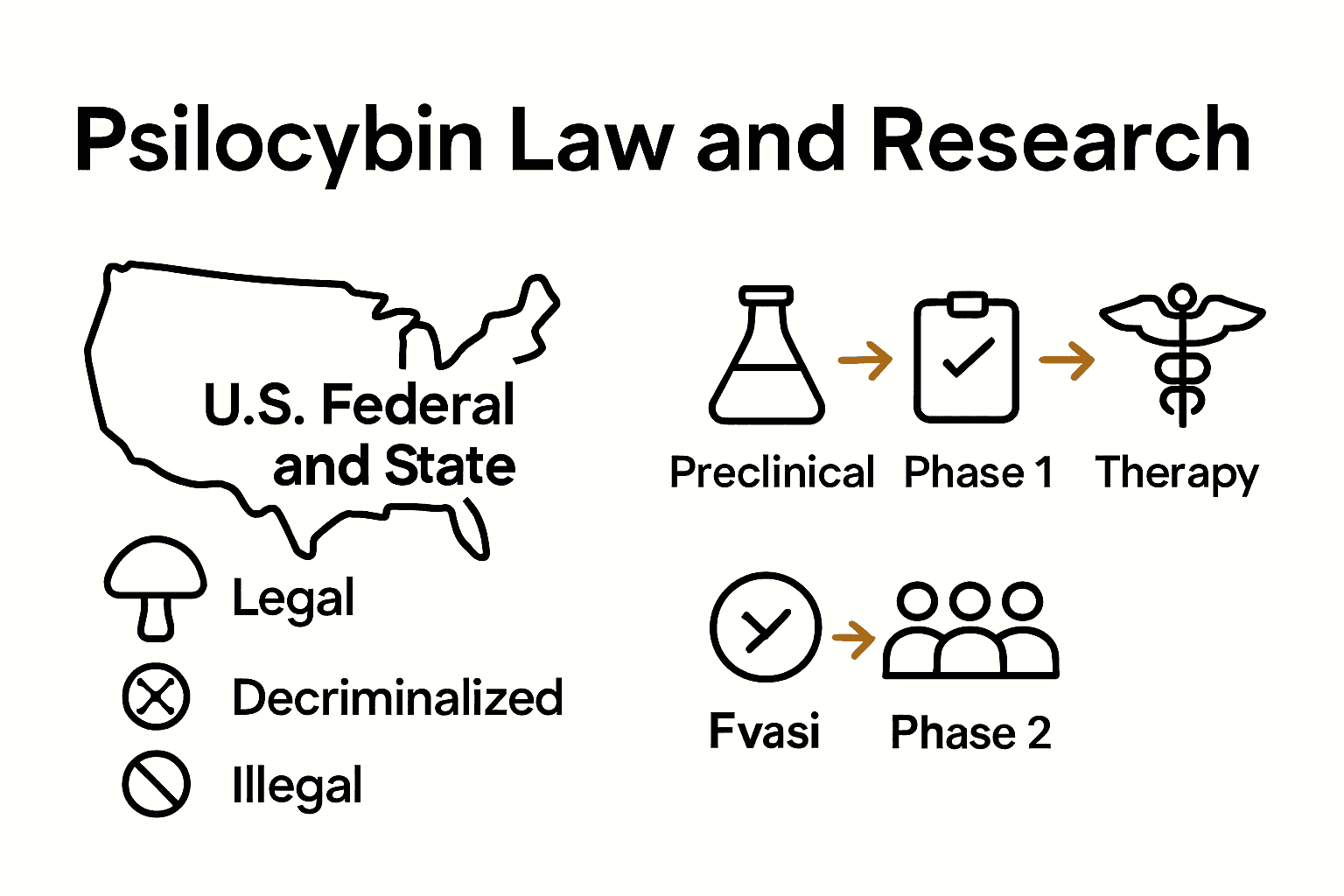
As of 2025, federal regulations classify psilocybin as a Schedule I controlled substance, indicating:
- No accepted medical use
- High potential for abuse
- Strict federal restrictions
However, research pathways have significantly expanded. The FDA and DEA now allow controlled studies through:
- Schedule I research registration
- Institutional review board oversight
- Approved Phase 2 and Phase 3 clinical trials
- Increased DEA production quotas for research purposes
State-level developments are creating a patchwork of progressive regulatory approaches. Several states have introduced groundbreaking legislative reforms, including:
- New Mexico: Passed the Medical Psilocybin Act establishing a regulated access system
- California and Iowa: Introduced bills expanding research and potential decriminalization
- Utah: Created a pilot program for MDMA and psilocybin treatments
- Colorado: Developed ongoing regulatory structures under state law
These state-level initiatives represent a significant shift towards recognizing psilocybin’s potential therapeutic value, challenging existing federal classification and paving the way for more comprehensive medical research and potential treatment options.
Therapeutic Potential and Health Applications
Psilocybin’s therapeutic landscape is rapidly expanding, offering unprecedented insights into mental health treatment approaches. Discover how psychedelics are revolutionizing PTSD treatment and understanding the profound neurological mechanisms behind mental health interventions.
According to recent systematic reviews, psilocybin demonstrates remarkable potential in addressing several challenging mental health conditions through innovative treatment protocols:
- Long-term Depression Management: Significant reductions in depressive symptoms after just two doses
- Anxiety Reduction: Sustained symptom improvement in treatment-resistant cases
- Addiction Intervention: Promising open-label results in alcohol and cigarette addiction
The therapeutic approach differs dramatically from traditional pharmaceutical treatments. Psilocybin appears to work by creating neurological reset mechanisms, potentially rewiring entrenched psychological patterns that contribute to mental health disorders. Unlike conventional medications that require daily consumption, psilocybin-assisted therapies show potential for long-lasting effects with minimal intervention.
Researchers are particularly excited about the compound’s ability to address complex mental health challenges that have historically resisted standard treatment modalities. By offering a novel approach that combines psychological insight with neurochemical transformation, psilocybin represents a potential paradigm shift in mental health treatment—providing hope for individuals struggling with conditions that have proven resistant to conventional therapeutic strategies.
Risks, Limitations, and User Safety
Use of psilocybin involves complex medical and psychological considerations that require careful, professional management. Explore comprehensive guidelines for safe psychedelic consumption to understand the critical safety protocols surrounding these powerful compounds.
Clinical research environments implement rigorous safety frameworks to mitigate potential risks:
- Strict participant screening processes
- Comprehensive psychological evaluations
- Controlled dosing protocols
- Continuous medical supervision
- Professional psychotherapy support
Key safety considerations include potential psychological risks for individuals with:
- Personal history of psychotic disorders
- Severe mental health conditions
- Unstable psychological backgrounds
- Family history of schizophrenia or bipolar disorder
According to research from Johns Hopkins Medicine, therapeutic psilocybin administration occurs under extensive institutional and FDA oversight. This approach ensures:
- Ethical standards are maintained
- Participants receive comprehensive medical monitoring
- Potential adverse reactions are immediately addressed
- Follow-up care is systematically implemented
While promising, psilocybin is not a universal solution. Individual variability in psychological response, potential interactions with existing medications, and the necessity for professional guidance underscore the importance of approaching these treatments with informed caution and professional medical supervision.
Discover How Science Meets Real-World Solutions for Your Psilocybin Journey
Curious about the latest breakthroughs in psilocybin research but unsure how to safely access quality products that align with science and compliance? If you are searching for trusted, lab-tested psilocybin options that reflect the medical safety, regulation, and effectiveness discussed in our article, you are not alone. Many readers feel overwhelmed by legal gray areas and want simple, secure ways to explore microdosing, edibles, or capsules for self-discovery or mental wellness.
Explore our General Archives for more insights
Take the next step confidently. With psychedelicszone.com, you get discreet shipping and fast delivery, plus a full catalog of curated, high-quality products that mirror the innovations you just learned about. Shop now to experience the blend of convenience, safety, and satisfaction featured in our customer testimonials. Your path to personal transformation begins with a single, informed click. Browse now
Frequently Asked Questions
What is psilocybin, and how does it affect mental health?
Psilocybin is a naturally occurring psychedelic compound found in certain mushrooms. Research shows that it can provide long-lasting relief from conditions such as depression, anxiety, and PTSD by promoting neuroplasticity and enhancing brain connectivity.
What are the main medical conditions currently being studied in psilocybin research?
Current studies focus on several medical conditions, including depression, addiction (such as alcohol and cigarette dependence), PTSD, cancer-related psychological distress, Alzheimer’s disease, and anorexia nervosa, demonstrating psilocybin’s potential therapeutic applications across these domains.
How is psilocybin administered in clinical settings?
In clinical research environments, psilocybin is administered in controlled settings with professional supervision. This involves careful screening of participants, controlled dosing protocols, ongoing medical monitoring, and psychological support throughout the treatment process.
What are the risks associated with using psilocybin?
Potential risks of psilocybin include psychological distress, particularly for individuals with a history of mental health issues or family members with serious psychiatric conditions. Therefore, psilocybin treatments should be approached under professional guidance with rigorous safety protocols in place.
Recommended
- The Legality of Psychedelic Mushrooms: A Detailed Overview – Psychedelics Zone
- Psychedelic Mushrooms: Acceptance and Benefits in 2025 – Psychedelics Zone
- Magic Mushrooms: Benefits for Mind, Body & Spirit by PZ
- Understanding Different Ways to Consume Psilocybin Mushrooms: A Detailed Guide – Psychedelics Zone