
More than 200 mushroom species naturally produce psilocybin, yet myths still shape public opinion about this powerful compound. Many people believe psilocybin is just a risky party drug, despite research showing its low addiction potential and long spiritual history. As scientific studies continue to uncover new therapeutic uses for psilocybin, a fresh look at its facts and common misconceptions reveals how far our collective understanding has evolved.
Table of Contents
- Defining Psilocybin and Common Misconceptions
- Scientific Evidence Supporting Psilocybin Use
- Legal Status and Reform Movements in the U.S.
- Potential Health and Wellness Benefits
- Public Safety and Societal Implications
- Key Risks, Regulation, and Responsible Access
Key Takeaways
| Point | Details |
|---|---|
| Psilocybin’s Nature | Psilocybin is a naturally occurring psychedelic found in ‘magic mushrooms’, historically used for spiritual purposes rather than recreational use. |
| Therapeutic Potential | Emerging research suggests psilocybin therapy could effectively treat conditions like depression and anxiety, showing promise where traditional methods have failed. |
| Regulatory Changes | Legal reform is underway, with states like Oregon paving the way for therapeutic psilocybin use, prompting a reevaluation of its classification. |
| Public Safety Guidelines | Effective regulation requires professional supervision, mental health screening, and structured protocols to minimize risks associated with unsupervised use. |
Defining Psilocybin and Common Misconceptions
Psilocybin is a naturally occurring psychedelic compound found in over 200 species of mushrooms, commonly referred to as ‘magic mushrooms.’ According to NCBI, this substance has deep historical roots in religious and spiritual ceremonies, challenging the widespread misconception that it is merely a recreational drug.
Contrary to popular belief, scientific research reveals that psilocybin has limited potential for abuse. PubMed indicates that the substance has low reinforcing effects, directly contradicting sensationalized media narratives from the 1960s that portrayed it as a highly dangerous substance. These misconceptions often stem from a lack of understanding and outdated regulatory perspectives.
Key characteristics of psilocybin include:
- Naturally occurring in specific mushroom species
- Low addiction potential
- Historical use in spiritual contexts
- Emerging research into potential therapeutic applications
Modern scientific perspectives are gradually shifting, recognizing psilocybin not as a dangerous drug, but as a compound with potential medical and psychological benefits. Magic Mushrooms: Facts vs. Myths and Potential Benefits provides deeper insights into the evolving understanding of this fascinating substance.
Scientific Evidence Supporting Psilocybin Use
Psilocybin therapy represents a groundbreaking approach in mental health treatment, with mounting scientific evidence supporting its potential therapeutic applications. According to NCBI, recent studies have demonstrated significant promise in treating complex mental health conditions such as depression, anxiety, and substance use disorders through carefully controlled psilocybin-assisted interventions.
Clinical research reveals profound neurological and psychological impacts. PubMed highlights that psilocybin, when administered in controlled therapeutic settings, can produce lasting positive changes in mood and behavioral patterns. These findings challenge traditional pharmaceutical approaches by offering a potentially transformative treatment modality.
Key scientific observations include:
- Significant reduction in treatment-resistant depression symptoms
- Potential for breakthrough in managing anxiety disorders
- Promising results in addiction recovery protocols
- Minimal long-term side effects compared to traditional medications
For those seeking a deeper understanding of the scientific landscape, Psilocybin Research Explained: Science, Laws, and Uses provides comprehensive insights into the emerging research surrounding this revolutionary compound. The ongoing scientific exploration continues to unveil psilocybin’s potential as a powerful tool in mental health treatment.
Here’s a comparison of key features, benefits, and risks of psilocybin:
| Aspect | Key Features | Benefits | Risks & Considerations |
|---|---|---|---|
| Origin | Naturally occurring in mushrooms | Plant-based, non-synthetic | Identification concerns |
| Therapeutic Potential | Mood enhancement Neuroplasticity |
Relief from depression, anxiety, PTSD | May not work for everyone |
| Abuse Potential | Low potential for addiction | Lower risk than many traditional drugs | Unsupervised use can be harmful |
| Legal Status (U.S.) | Schedule I federally Some state reforms |
Increasing access for medical use | Legal penalties still possible |
| Safe Use Guidelines | Controlled dosage Professional supervision |
Safer experiences, reduced adverse effects | Must be followed to avoid harm |
| Public Safety Measures | Participant screening Ongoing monitoring |
Minimizes negative outcomes | Risk mitigation required |
Legal Status and Reform Movements in the U.S.
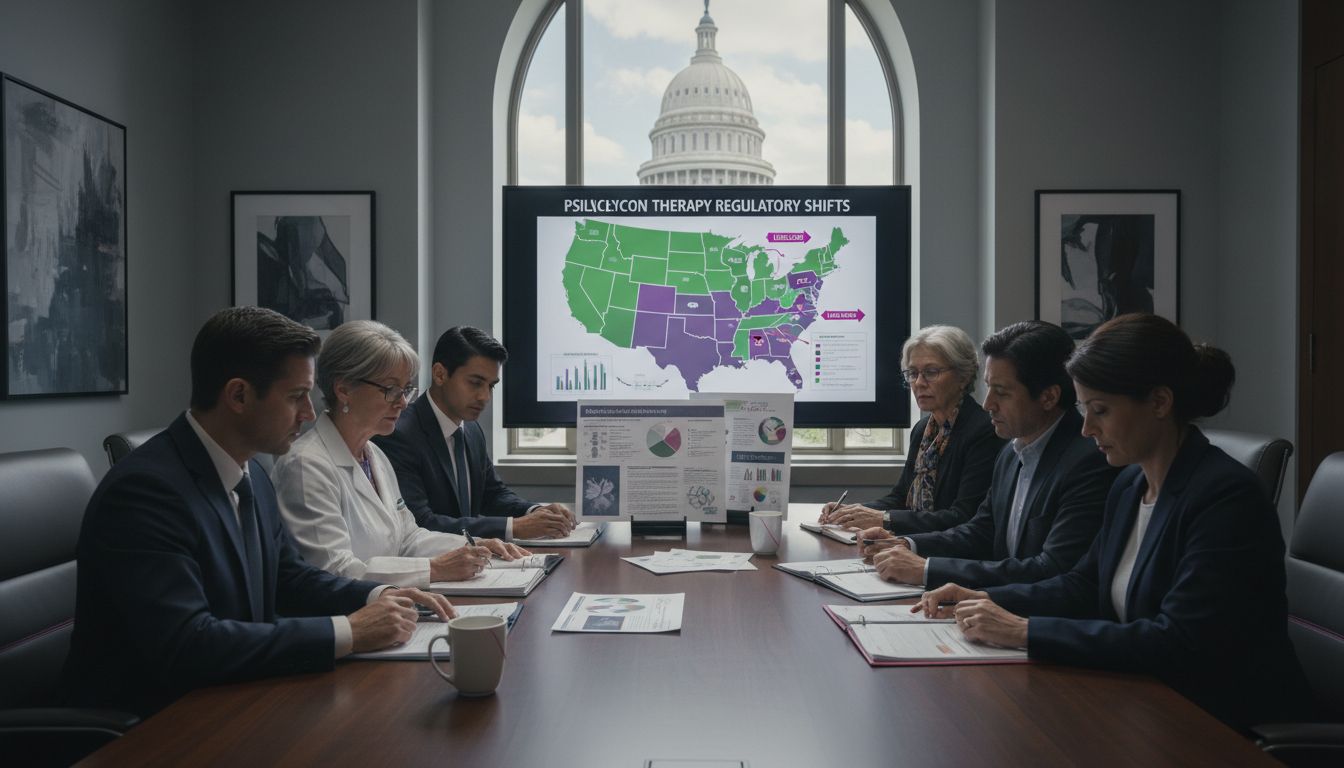
The legal landscape of psilocybin in the United States is rapidly evolving, with significant policy shifts challenging traditional drug classification. According to GAO, psilocybin remains a Schedule I substance under federal law, technically indicating no accepted medical use and a high potential for abuse. However, grassroots reform movements are dramatically reshaping this perspective.
Oregon has emerged as a pioneering state in psilocybin policy reform. Oregon State News highlights the state’s groundbreaking 2020 ballot measure, which approved psilocybin use in therapeutic settings. This landmark decision has sparked nationwide interest and prompted other states to consider similar progressive approaches to psychedelic regulation.
Current reform movement characteristics include:
- Growing recognition of therapeutic potential
- State-level initiatives challenging federal classification
- Increasing scientific research supporting medical applications
- Gradual shift in public perception and policy
Understanding the Role of Psilocybin in Therapy offers deeper insights into the nuanced legal and medical considerations driving these transformative policy changes. As research continues to challenge outdated perceptions, the future of psilocybin regulation appears increasingly promising.
Potential Health and Wellness Benefits
Psilocybin represents a groundbreaking frontier in mental health treatment, offering transformative therapeutic potential across multiple psychological domains. PubMed research reveals remarkable findings, demonstrating that a single dose can generate significant improvements in mood and emotional well-being, with effects potentially lasting several months.
The compound’s therapeutic applications extend beyond traditional treatment paradigms, showing particular promise in addressing complex mental health challenges. Clinical studies have highlighted psilocybin’s effectiveness in alleviating symptoms of depression, anxiety, and post-traumatic stress disorder (PTSD), challenging conventional pharmaceutical approaches with its unique neurological interactions.
Key potential health benefits include:
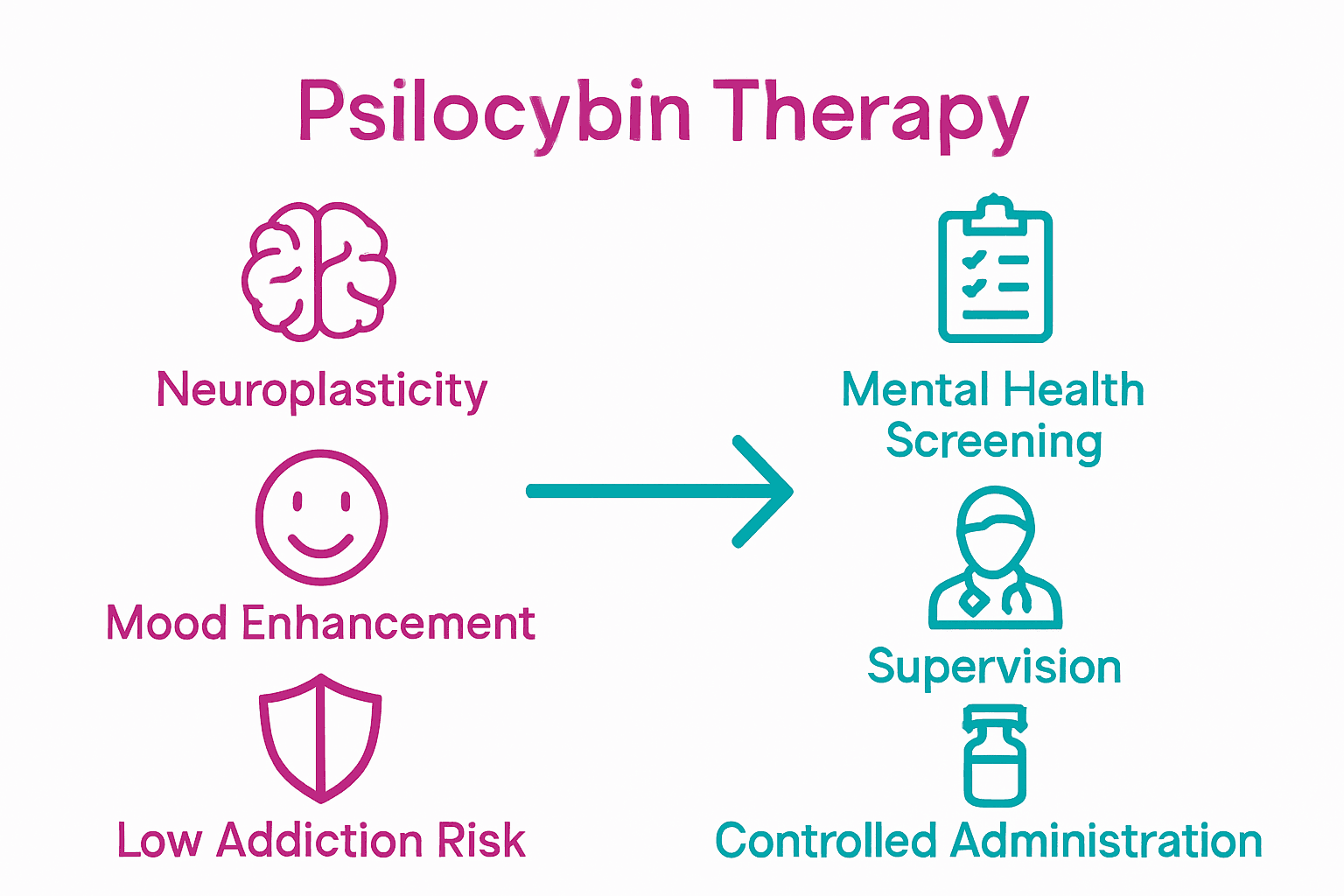
- Rapid and sustained mood enhancement
- Reduction in treatment-resistant depression symptoms
- Potential breakthrough in managing anxiety disorders
- Neuroplasticity promotion
- Enhanced emotional processing and resilience
Magic Mushrooms: Benefits for Mind, Body & Spirit by PZ offers an in-depth exploration of the holistic wellness potential inherent in psilocybin research. As scientific understanding continues to evolve, the compound emerges as a promising tool for comprehensive mental health intervention.
Public Safety and Societal Implications
The public safety landscape surrounding psilocybin requires nuanced understanding and carefully constructed regulatory frameworks. According to PubMed, while the substance demonstrates a low potential for abuse and dependence, unsupervised use can potentially lead to dangerous behavioral outcomes, particularly for individuals with predispositions to certain mental health conditions.
Regulatory approaches are critical in mitigating potential risks. GAO emphasizes that comprehensive legal frameworks must prioritize controlled access and professional supervision during psilocybin experiences. These strategies aim to minimize potential adverse reactions while preserving the compound’s therapeutic potential.
Key public safety considerations include:
- Mandatory professional supervision during therapeutic sessions
- Comprehensive mental health screening prior to access
- Controlled dosage and administration protocols
- Ongoing participant monitoring and support
- Clear guidelines for responsible use
Understanding the Role of Psilocybin in Therapy provides deeper insights into the intricate balance between therapeutic innovation and public safety. As societal understanding evolves, responsible integration becomes paramount in transforming perception and minimizing potential risks.
Key Risks, Regulation, and Responsible Access
The regulatory landscape of psilocybin requires a comprehensive approach to mitigating potential psychological risks. According to GAO, key risks include potential psychological distress and the possibility of exacerbating underlying mental health conditions. Effective regulations must focus on controlled administration, thorough screening, and professional supervision to minimize these potential adverse outcomes.
NCBI emphasizes the critical importance of establishing robust guidelines for responsible psilocybin access. These guidelines encompass multiple dimensions of safety, including precise dosage control, carefully considered therapeutic settings, and comprehensive integration support to ensure participant well-being throughout the experience.
Key elements of responsible psilocybin access include:
- Comprehensive mental health pre-screening
- Professional therapeutic supervision
- Controlled and measured dosage protocols
- Structured integration and support mechanisms
- Ongoing participant monitoring and care
Psilocybin Research Explained: Science, Laws, and Uses provides deeper insights into the nuanced approach required for safe and responsible psilocybin experiences. As research continues to evolve, the focus remains on creating a balanced framework that prioritizes individual safety and therapeutic potential.
Embrace the Future of Psilocybin with Trusted Support and Quality Products
The journey toward legalizing psilocybin opens new doors for mental wellness and personal growth but navigating this evolving landscape can feel overwhelming. Whether you seek safe access or are curious about how to incorporate psilocybin into your routine, understanding its therapeutic potential and responsible use is key. Our collection in the Psilocybin Archives – Psychedelics Zone offers carefully curated products designed to support self-discovery while prioritizing safety and quality.
Take control of your experience today with confidence. Explore high quality microdoses, capsules, and edibles available with nationwide shipping and discreet packaging at Psychedelics Zone. Dive deeper into the science of mind transformation with our insights in the Neuroplasticity Archives – Psychedelics Zone and secure your path toward enhanced wellness right now.
Frequently Asked Questions
What is psilocybin and how is it used?
Psilocybin is a naturally occurring psychedelic compound found in over 200 species of mushrooms, known as ‘magic mushrooms’. It has historically been used in religious and spiritual ceremonies and is now being researched for its potential therapeutic applications.
What are the potential benefits of psilocybin therapy?
Research indicates that psilocybin therapy can significantly alleviate symptoms of depression, anxiety, and PTSD. It promotes mood enhancement, neuroplasticity, and emotional processing, offering a promising alternative to traditional pharmaceutical approaches.
Are there risks associated with psilocybin use?
While psilocybin has a low potential for abuse and minimal long-term side effects, unsupervised use can lead to psychological distress or harmful behaviors, particularly for individuals predisposed to certain mental health issues. Professional supervision and controlled settings are recommended.
What is the current legal status of psilocybin?
Psilocybin is classified as a Schedule I substance under federal law, indicating no accepted medical use. However, ongoing reform movements, such as those in Oregon, are paving the way for its regulated therapeutic use, reflecting a shift in public perception and scientific understanding.