
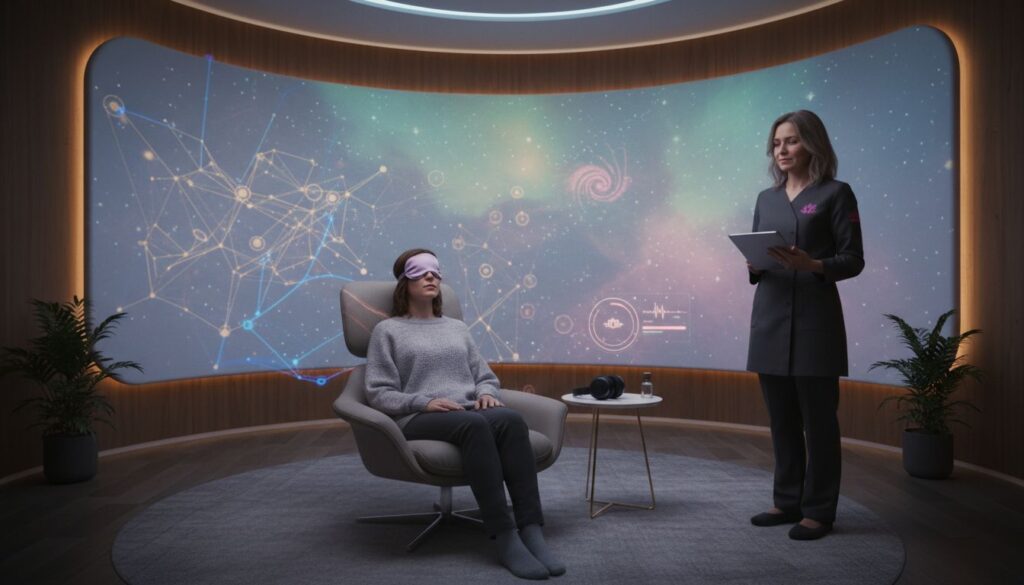
Did you know that studies show over 60 percent of participants report lasting changes in mindset after a single guided psychedelic session? For many, the psychedelic state is far more than just vivid visuals. It reshapes how people see themselves and the world, unlocking new layers of thought, feeling, and awareness. Understanding how these experiences work can empower you to make informed choices, stay safe, and explore the true potential of altered consciousness.
Table of Contents
- Defining The Psychedelic State And Core Concepts
- Types Of Psychedelic States And Experiences
- Neuroscience And Psychological Effects Explained
- Legal Status And Safety Considerations In The U.S.
- Practical Tips For Safe Psychedelic Use
Key Takeaways
| Point | Details |
|---|---|
| Psychedelic State | Characterized by profound shifts in consciousness, drawing attention to enhanced sensory perception, emotional insights, and ego dissolution. |
| Types of Experiences | Psychedelic experiences vary widely, including mystical, challenging, perceptual transformations, and entity interactions, each impacting personal growth differently. |
| Neuroscience Impact | Psychedelics increase neuroplasticity and brain connectivity, offering potential therapeutic benefits for mental health conditions by fostering psychological breakthroughs. |
| Safety Considerations | Prioritize a supportive environment, informed consent, and thorough health screening to mitigate psychological risks associated with psychedelic use. |
Defining the Psychedelic State and Core Concepts
The psychedelic state is a profound neurological and perceptual experience characterized by dramatic shifts in consciousness, sensory perception, and cognitive processing. According to research from Understanding the Role of Psilocybin in Therapy, these states fundamentally transform how individuals perceive and interact with their internal and external environments.
At its core, the psychedelic state involves significant alterations across multiple domains of experience. Research indicates these experiences typically encompass several key characteristics:
- Enhanced sensory perception with heightened awareness
- Dissolution of typical ego boundaries
- Profound emotional and introspective insights
- Potential for transformative psychological experiences
According to research from PubMed, psychedelic states induced by substances like psilocybin reveal intricate inner mental landscapes, facilitating therapeutic changes through experiences of profound emotional breakthroughs and expanded consciousness. These states are not merely recreational experiences but potentially powerful tools for psychological exploration and personal growth. Enhancing the Psychedelic Mushroom Experience: Methods and Insights provides deeper context into understanding these transformative experiences.
Types of Psychedelic States and Experiences
Psychedelic experiences represent a complex spectrum of subjective states that manifest uniquely across different individuals and substances. Psychedelic states are not uniform experiences but intricate journeys influenced by numerous internal and external factors. Research indicates that these experiences can range dramatically, from profound mystical encounters to challenging psychological landscapes.
Here’s a comparison of the main types of psychedelic experiences:
| Type of Experience | Key Features | Common Outcomes |
|---|---|---|
| Mystical Experiences | Unity Transcendence Spiritual connection | Euphoria Insight |
| Challenging Encounters | Deep emotional processing Intense confrontation | Growth Emotional release |
| Perceptual Transformations | Altered senses Cognitive shifts | Enhanced awareness Novel thoughts |
| Entity Interactions | Perceived communication External consciousness | Unusual insights Curiosity |
According to groundbreaking research, psychedelic states can be categorized into several distinctive types:
- Mystical Experiences: Characterized by feelings of unity, transcendence, and spiritual connection
- Challenging Encounters: Intense psychological confrontations involving deep emotional processing
- Perceptual Transformations: Dramatic shifts in sensory perception and cognitive processing
- Entity Interactions: Subjective experiences involving perceived communication with external consciousness
Research from PubMed reveals that these experiences are profoundly influenced by chemical structures and contextual elements like an individual’s mental state and environmental setting. Understanding What Is a Magic Mushroom Experience provides deeper insights into how different substances create unique psychological landscapes. The subjective nature of these experiences underscores the importance of preparation, mindset, and a supportive environment when exploring altered states of consciousness.
Neuroscience and Psychological Effects Explained
The neurological impact of psychedelic substances represents a groundbreaking frontier in understanding human consciousness and brain functionality. Recent scientific research reveals that these compounds trigger profound neurochemical and structural transformations within the brain, fundamentally altering perception, cognition, and emotional processing.
According to cutting-edge research, psychedelics produce remarkable neurological changes:
- Dramatically increased neuroplasticity
- Enhanced connectivity between previously disconnected brain regions
- Temporary dissolution of rigid neural networks
- Activation of alternative neural communication pathways
Research from advanced neuroimaging studies indicates that substances like psilocybin increase the brain’s capacity for dynamic cognitive states. Understanding the Role of Psilocybin in Therapy highlights how these compounds fundamentally reshape cognitive processes, enabling individuals to experience unconstrained thinking and radically altered perceptions of time, space, and personal identity. The psychological effects extend beyond momentary experiences, potentially offering therapeutic interventions for conditions like depression, anxiety, and trauma by creating neural flexibility and promoting psychological breakthrough.
Legal Status and Safety Considerations in the U.S.
Navigating the legal landscape of psychedelic substances in the United States involves complex and evolving regulations that vary significantly across different jurisdictions. While federal law currently classifies most psychedelics as controlled substances, recent years have witnessed a growing movement towards decriminalization and regulated therapeutic use in select states and municipalities.
Safety considerations are paramount when exploring psychedelic experiences. Critical factors to understand include:
- Potential psychological risks for individuals with pre-existing mental health conditions
- Risk of Hallucinogen Persisting Perception Disorder (HPPD)
- Importance of controlled and supportive environmental settings
- Necessity of informed consent and comprehensive preparation
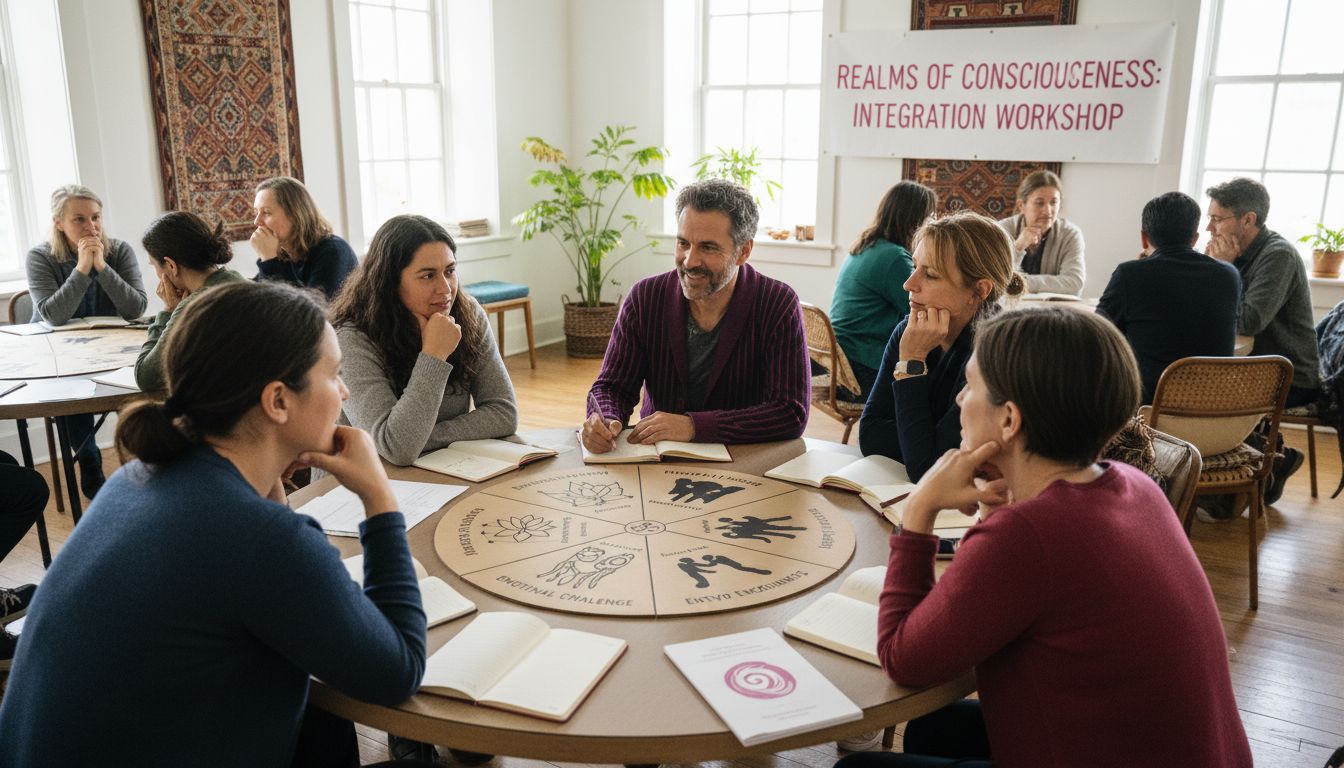
Research emphasizes the crucial concept of set and setting in determining the safety and potential therapeutic outcomes of psychedelic experiences. Preparing for Psychedelic Journey: Your Step-by-Step Guide offers comprehensive insights into creating a safe, intentional approach to psychedelic exploration. Individuals must carefully assess personal health history, current mental state, and legal implications before considering any psychedelic experience, prioritizing personal safety and informed decision-making.
Practical Tips for Safe Psychedelic Use
Ensuring a safe psychedelic experience requires meticulous preparation and a thoughtful approach that prioritizes mental and physical well-being. The foundational principle of set and setting is critical, emphasizing that one’s mindset and environmental context dramatically influence the trajectory and quality of the psychedelic journey.
Key strategies for creating a safe psychedelic experience include:
- Choose a comfortable, familiar environment
- Select a trusted, experienced trip sitter
- Start with low doses and proceed cautiously
- Ensure complete physical and mental health screening
- Create a structured, intentional preparation process
- Maintain a calm, positive psychological state
- Have emergency contact information readily available
Navigating the Dosage of Magic Mushrooms: A Comprehensive Guide provides detailed insights into responsible consumption practices. Historical research, such as the Marsh Chapel Experiment, underscores that structured settings and psychological preparation can transform potentially challenging experiences into meaningful, transformative journeys. Ultimately, approaching psychedelics with respect, intentionality, and comprehensive preparation is paramount for ensuring personal safety and maximizing potential therapeutic benefits.
Unlock the Power of the Psychedelic State with Trusted Support
Understanding the psychedelic state means recognizing the importance of preparation, safety, and quality in your journey toward expanded consciousness. If you are seeking a reliable entry point to explore altered states through microdoses, capsules, or edibles, addressing concerns around dosage, set and setting, and authenticity is crucial. Our curated selections empower you to take control of your transformative experience with confidence.
Explore our carefully crafted collection at Psychedelics Archives – Psychedelics Zone where high quality and lab-tested products meet your quest for self-discovery. Dive deeper into essentials and preparation strategies by visiting our General Archives – Psychedelics Zone. Start your journey today at https://psychedelicszone.com and benefit from discreet shipping, expert guidance, and a seamless shopping experience designed to enhance your psychedelic exploration safely and effectively.
Frequently Asked Questions
What is a psychedelic state?
The psychedelic state is a profound neurological and perceptual experience characterized by dramatic shifts in consciousness, sensory perception, and cognitive processing, often resulting in enhanced awareness and introspective insights.
What are the main types of psychedelic experiences?
The main types of psychedelic experiences include mystical experiences, challenging encounters, perceptual transformations, and entity interactions, each with distinct characteristics and outcomes.
How do psychedelics affect the brain?
Psychedelics produce significant neurological changes by increasing neuroplasticity, enhancing connectivity between brain regions, and dissolving rigid neural networks, leading to altered perception, cognition, and emotional processing.
What safety considerations should I keep in mind when using psychedelics?
Important safety considerations include understanding potential psychological risks, ensuring a supportive environment, conducting health screenings, and employing the principle of ‘set and setting’ to optimize the safety and efficacy of the psychedelic experience.