
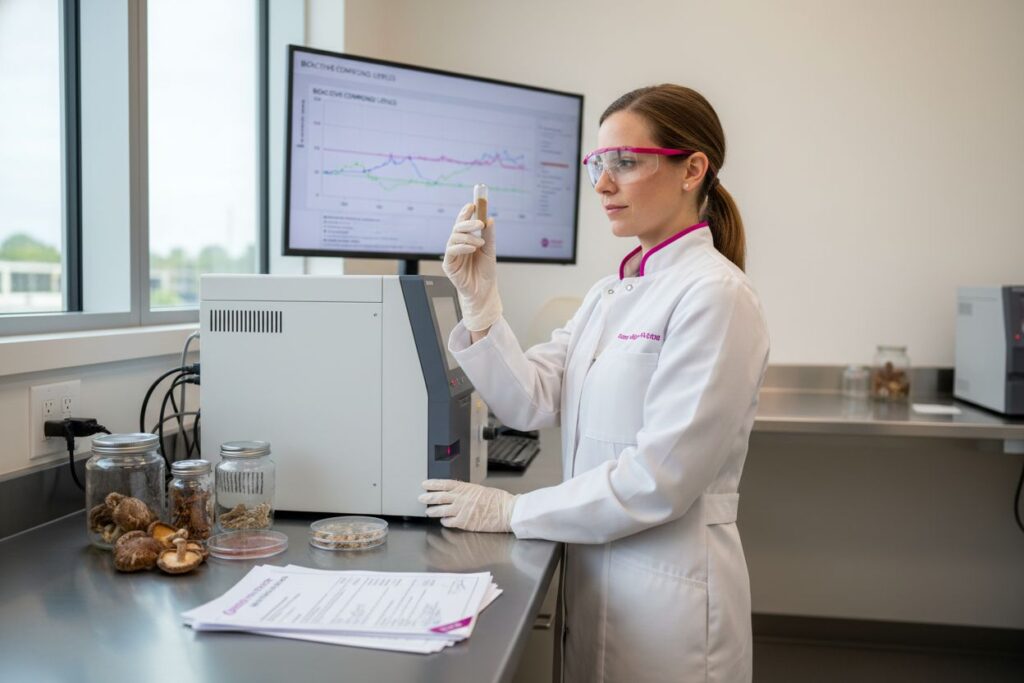
Did you know that up to one in five mushroom supplements on the market fail basic safety or potency tests? With so many options, finding reliable, effective products can feel risky. Lab-tested mushrooms change the game by giving users clear proof of purity, quality, and accurate dosing. If you want to avoid hidden contaminants and trust what’s inside every capsule, understanding lab testing offers real confidence in your mushroom experience.
Key Takeaways
| Point | Details |
|---|---|
| Lab Testing Ensures Safety | Rigorous lab testing identifies active compounds and screens for contaminants, enhancing product safety for consumers. |
| Transparency Builds Trust | Third-party verification and accessible certificates of analysis provide consumers with reliable information about mushroom supplement quality. |
| Legal Compliance is Crucial | Manufacturers must adhere to regulatory standards under DSHEA, including safety and labeling requirements, to ensure consumer protection. |
| Choose Lab-Tested Products | Opting for lab-tested mushrooms significantly reduces the risk of harmful contaminants and assures consistent potency in supplements. |
Table of Contents
- Lab-Tested Mushrooms Defined and Explained
- Key Benefits of Lab Testing for Mushrooms
- Common Types of Contaminants and Risks
- Legal and Regulatory Factors in the U.S.
- Comparing Lab-Tested vs. Untested Mushrooms
- How Lab Testing Ensures Consistent Potency
Lab-Tested Mushrooms Defined and Explained
Lab-tested mushrooms represent a critical advancement in ensuring product safety and quality for consumers seeking functional and psychedelic mushroom experiences. According to research from mycology experts, these products undergo rigorous third-party laboratory analysis to verify the precise composition and purity of mushroom supplements.
Third-party laboratories conduct comprehensive testing that goes far beyond basic quality checks. As detailed by independent research, these labs analyze active compound levels including beta-glucans, alpha-glucans, and specialized bioactive molecules like cordycepin, ganoderic acids, and tryptophan. Critically, they also screen for potential contaminants such as heavy metals, pesticides, mycotoxins, solvents, microbes, and excess moisture content.
The key benefit of lab-tested mushrooms is transparency and consumer protection. Independent testing, typically performed by accredited laboratories following ISO 17025 standards, provides an unbiased assessment of product quality.
Explore our guide on mushroom strain comparisons to understand how different testing approaches can impact your overall mushroom experience.
Key characteristics of reliable lab-tested mushrooms include:
- Verified active ingredient concentrations
- Comprehensive contaminant screening
- Third-party verification
- Transparent reporting of test results
- Compliance with professional laboratory standards
Key Benefits of Lab Testing for Mushrooms
Lab testing represents a critical quality assurance process that ensures mushroom supplement safety and reliability for consumers. According to research from Eversio Wellness, comprehensive testing provides multiple layers of protection by confirming product purity, potency, and authentic composition of mushroom supplements.
The primary benefits of rigorous lab testing include objective quantification of active compounds and comprehensive safety screening. As detailed by independent laboratory research, these tests analyze critical elements such as beta-glucans, terpenoids, and alkaloid concentrations while simultaneously checking for potential contaminants like heavy metals, pesticides, mycotoxins, and harmful pathogens. Learn more about magic mushroom benefits and myths to understand the importance of scientific verification.
Key advantages of thorough laboratory testing for mushroom products include:
- Precise measurement of bioactive compound concentrations
- Detection and elimination of potential microbiological risks
- Verification of product authenticity
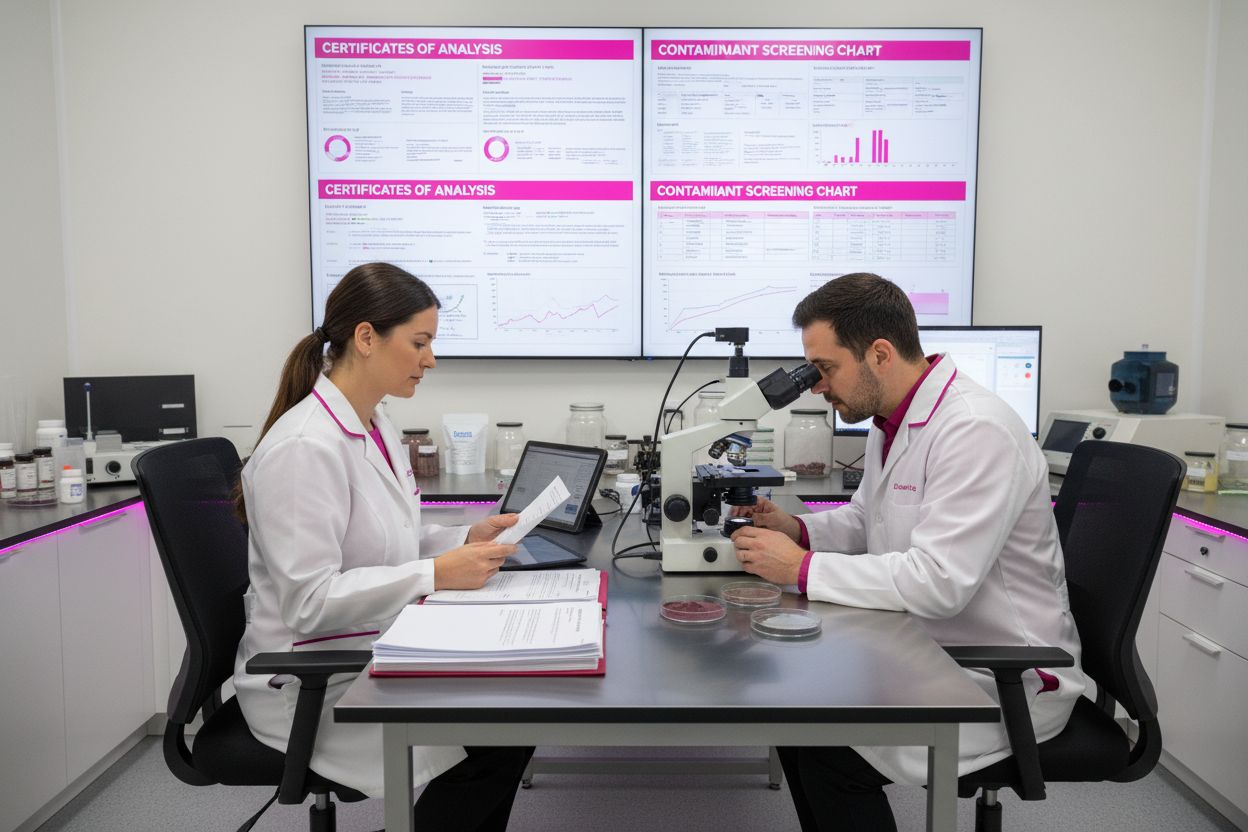
- Transparent reporting through detailed certificates of analysis
- Comprehensive safety risk assessment
By prioritizing third-party lab testing, consumers can confidently select mushroom supplements that meet the highest standards of quality, safety, and scientific integrity. These meticulous testing protocols provide peace of mind and ensure that each product delivers its promised therapeutic potential.
Common Types of Contaminants and Risks
Mushroom supplements face numerous potential contamination risks that can significantly impact consumer health and product quality. Heavy metals represent one of the most critical contaminants that laboratory testing identifies, including dangerous elements like arsenic, lead, and mercury that can accumulate in mushroom tissues during growth and processing.
According to specialized research, mycotoxins pose an especially severe threat to mushroom product safety. These toxic compounds, which include aflatoxins, ochratoxin A, and fumonisins, can cause serious long-term health complications. Understand more about magic mushroom safety to appreciate the importance of comprehensive contaminant screening.
Comprehensive laboratory screening typically addresses multiple contamination categories:
- Heavy Metals: Arsenic, lead, mercury
- Pesticide Residues: Organophosphates, pyrethroids, fungicides
- Microbiological Pathogens: Salmonella, E. coli
- Fungal Contaminants: Harmful yeasts and molds
- Mycotoxins: Aflatoxins and other potentially dangerous fungal metabolites
The potential health risks associated with these contaminants range from acute illness to long-term complications like immune suppression, liver and kidney damage, and potentially serious respiratory symptoms. Rigorous third-party testing serves as the primary defense mechanism, ensuring that mushroom supplements meet stringent safety standards before reaching consumers.
Legal and Regulatory Factors in the U.S.
The legal landscape surrounding mushroom supplements in the United States is complex and nuanced, primarily governed by the Dietary Supplement Health and Education Act (DSHEA) of 1994. This legislation establishes a unique regulatory framework that allows mushroom supplement manufacturers significant flexibility while maintaining critical consumer protection standards.
Under DSHEA, mushroom supplements are not required to undergo FDA pre-market approval, which distinguishes them from pharmaceutical products. However, manufacturers must still comply with strict regulations prohibiting adulteration and misbranding. Explore our guide on understanding mushroom consumption methods to better understand the regulatory context surrounding these products.
Key regulatory considerations for mushroom supplements include:
- Prohibited from making direct disease treatment claims
- Must comply with structure/function claim guidelines
- Required to ensure product safety and accurate labeling
- Subject to potential FDA enforcement for misleading marketing
- Must meet good manufacturing practice (GMP) standards
Crucially, certain mushroom varieties face additional scrutiny. The FDA has explicitly warned about unauthorized ingredients like Amanita muscaria, emphasizing that products containing muscimol or ibotenic acid are not generally recognized as safe (GRAS) and cannot be legally marketed as dietary supplements. Responsible manufacturers must navigate these complex regulatory waters carefully to ensure compliance and consumer safety.
Comparing Lab-Tested vs. Untested Mushrooms
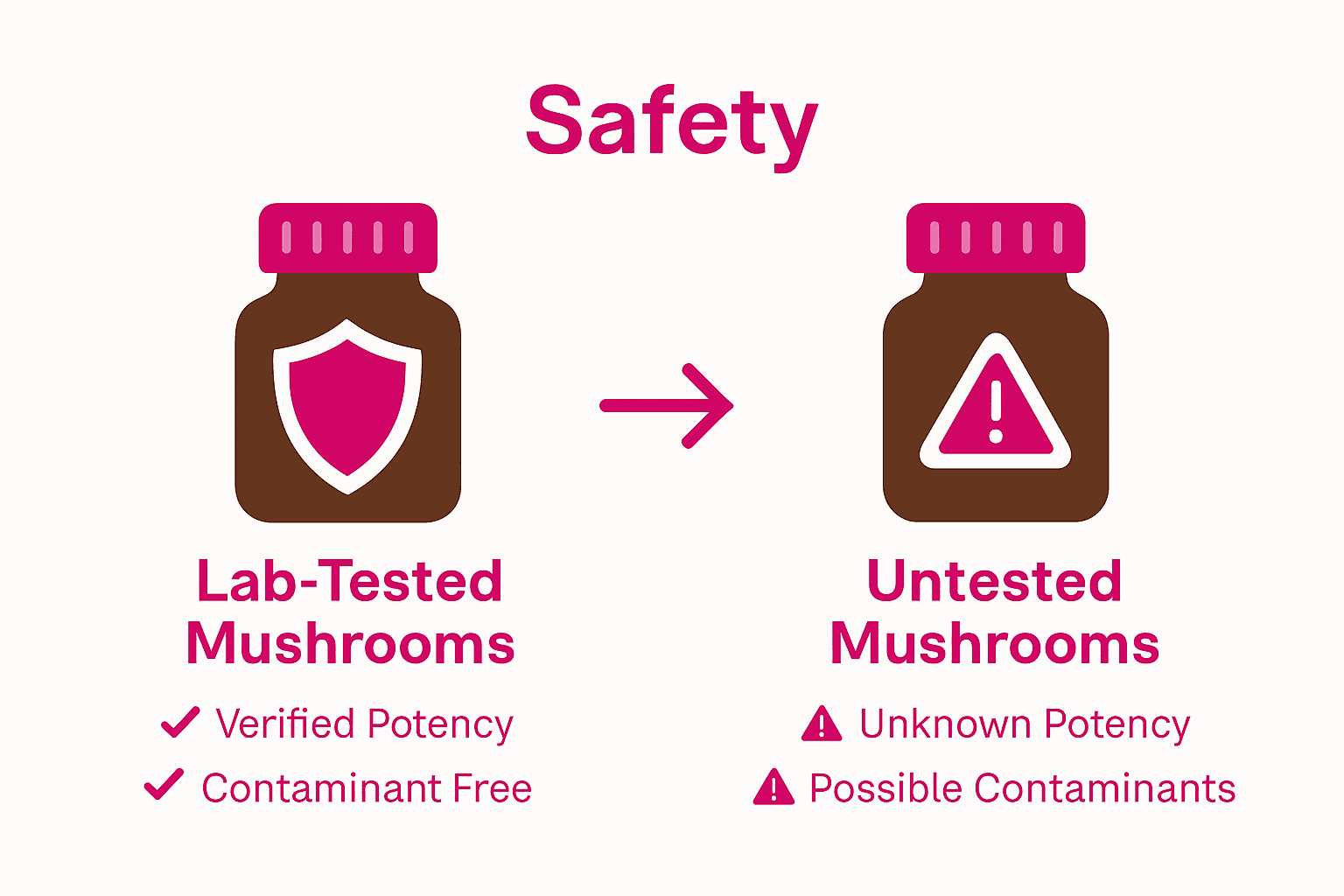
Lab-tested mushrooms represent a gold standard of quality and safety in supplement production, offering consumers transparent and verifiable evidence about product composition. Unlike untested mushroom products, which remain shrouded in uncertainty, laboratory-verified supplements provide comprehensive insights into their active compound concentrations and potential contaminant levels.
The critical differences between lab-tested and untested mushrooms extend far beyond simple quality assurance. Untested products potentially contain hidden risks like harmful residues, inconsistent potency, and undisclosed fillers that could compromise consumer health. Explore the legality of psychedelic mushrooms to understand the broader context of mushroom supplement regulations.
Key comparative aspects between lab-tested and untested mushrooms include:
Here’s a comparison of lab-tested and untested mushroom supplements:
| Aspect | Lab-Tested Mushrooms | Untested Mushrooms |
|---|---|---|
| Potency Verification | Verified active compounds | No reliable measurement |
| Contaminant Screening | Screened for metals, toxins, microbes | Unknown contaminant levels |
| Transparency | Certificate of analysis provided | No transparent reporting |
| Consumer Trust | High—scientific claims backed | Low—claims are unverified |
| Health Risk Mitigation | Reduced risk, quality assured | Hidden risks possible |
- Potency Verification: Lab-tested products confirm exact bioactive compound levels
- Contaminant Screening: Comprehensive safety checks for heavy metals, pesticides, and microbes
- Transparency: Accessible certificates of analysis
- Consumer Trust: Scientifically validated product claims
- Health Risk Mitigation: Reduced uncertainty about supplement composition
Reputable manufacturers prioritize third-party laboratory testing as a fundamental commitment to consumer safety. By choosing lab-tested mushrooms, consumers gain peace of mind, knowing their supplements have undergone rigorous scientific evaluation to ensure maximum quality, efficacy, and safety.
How Lab Testing Ensures Consistent Potency
Laboratory testing provides a critical scientific method for guaranteeing the consistent potency of mushroom supplements, offering consumers a reliable benchmark for product quality and effectiveness. By meticulously quantifying specific bioactive compounds, these rigorous analytical processes ensure each product batch meets precise chemical and nutritional specifications.
The testing process involves comprehensive molecular analysis of key compound concentrations, including beta-glucans, triterpenoids, nucleosides, and other critical bioactive markers. These detailed assessments allow manufacturers to maintain strict quality control and provide transparent information about the exact nutritional profile of each supplement. Learn more about understanding mushroom consumption methods to appreciate the complexity of mushroom supplement development.
Key aspects of potency verification include:
- Precise measurement of active compound concentrations
- Cross-batch comparative analysis
- Validation of label claims
- Identification of potential variations in mushroom source materials
- Quantitative assessment of beneficial compounds
By implementing these sophisticated testing protocols, manufacturers can confidently deliver products with predictable and reliable therapeutic potential. Consumers benefit from knowing exactly what they’re consuming, with each supplement batch offering consistent levels of beneficial compounds that align with scientific standards and marketing claims.
Experience the Difference with Lab-Tested Mushroom Products
Tired of uncertainty and hidden risks when it comes to mushroom supplements? If you want peace of mind about purity, potency, and safety, lab-tested mushrooms are the clear answer. Our site is dedicated to helping you avoid worries about contaminants and inconsistent product quality. With a focus on verified active compounds and contaminant-free supplements, we help you make empowered, informed choices every time you shop. Discover why so many choose trusted products from our Mushroom collection for dependable results and confidence with every dose.
Your wellness and safety deserve the highest standards. Visit Psychedelics Zone now to browse our curated selection of rigorously lab-tested microdoses, edibles, and capsules. Make the switch to advanced quality assurance and see the benefits for yourself. For more insight into related topics, explore our Psilocybin category and start your journey to a more reliable mushroom experience today.
Frequently Asked Questions
What are lab-tested mushrooms?
Lab-tested mushrooms are mushroom supplements that have undergone rigorous third-party laboratory analysis to verify their active compound levels, purity, and safety, ensuring high product quality for consumers.
Why is lab testing important for mushrooms?
Lab testing is crucial as it confirms the potency of active compounds, screens for contaminants like heavy metals and bacteria, and provides transparency through detailed reports, ultimately ensuring consumer safety and product reliability.
How can I differentiate between lab-tested and untested mushrooms?
You can differentiate by looking for certificates of analysis on lab-tested products that detail active compound concentrations and contaminant screenings, while untested products lack this transparency and may pose hidden health risks.
What risks are associated with untested mushroom supplements?
Untested mushroom supplements can contain harmful contaminants such as heavy metals, pesticides, and mycotoxins, leading to potential health issues. They also lack verified potency, which can result in inconsistent effects on health and wellness.