
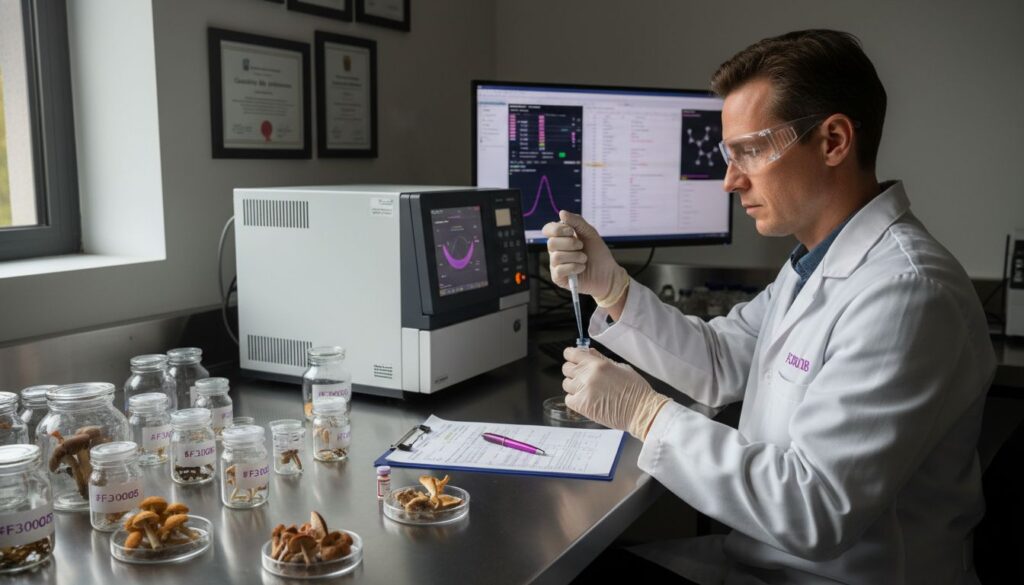
Every year, over 5,000 cases of mushroom poisoning are reported in the United States alone. This highlights a growing concern as more people turn to mushrooms for both medicinal and psychedelic use. Testing mushrooms is crucial because it not only protects your health but also helps you avoid unpredictable effects and legal issues. Learning about proper mushroom testing methods empowers anyone—whether curious or experienced—to make safe, informed choices and enjoy peace of mind with every experience.
Table of Contents
- Why Mushroom Testing Is Essential
- Common Types of Mushroom Testing Methods
- Detecting Contaminants and Potency Levels
- Legal Risks and Compliance Considerations
- Avoiding Unsafe or Ineffective Products
Key Takeaways
| Point | Details |
|---|---|
| Importance of Testing | Thorough mushroom testing is essential for safety, focusing on species identification, contamination risk, and potency verification. |
| Advanced Testing Methods | Utilizing both traditional and modern scientific techniques ensures comprehensive evaluation of mushroom quality and safety. |
| Legal and Ethical Considerations | Regulatory compliance is mandatory, requiring strict adherence to testing protocols to prevent legal risks and promote consumer safety. |
| Consumer Education | Educated consumers should demand transparency in testing documentation to avoid unsafe or ineffective mushroom products. |
Why Mushroom Testing Is Essential
Mushroom testing isn’t just a precaution – it’s a critical safety protocol for anyone engaging with psychedelic or medicinal fungi. According to research from the National Agricultural Library, ensuring the safety of cultivated mushroom products requires comprehensive evaluation of bioactive components and rigorous assessment of cultural and postharvest practices.
The primary reasons for thorough mushroom testing center on three fundamental concerns: species identification, contamination risk, and potency verification. PubMed research highlights significant challenges in edible mushroom quality evaluation, particularly regarding species confusion and potential contamination that can directly impact user safety.
Key testing parameters include:
- Chemical composition analysis
- Purity screening
- Potential toxic element detection
- Precise potency measurement
Beyond basic safety, testing provides crucial insights into the mushroom’s potential therapeutic or experiential characteristics. 7 Key Mushroom Strain Comparisons for Microdosing can help users understand the nuanced differences between various mushroom strains and their specific attributes.
For microdosing enthusiasts and spiritual seekers, comprehensive testing isn’t just recommended – it’s essential. Knowing exactly what you’re consuming ensures not just safety, but a predictable and controlled psychedelic experience. Professional laboratory analysis removes uncertainty, transforming mushroom exploration from a risky endeavor into a calculated, intentional journey of personal discovery.
Common Types of Mushroom Testing Methods
Navigating the complex world of mushroom testing requires understanding various sophisticated scientific methodologies. According to PubMed research, multiple techniques exist for identifying and evaluating mushrooms, ranging from traditional visual assessments to cutting-edge technological approaches.
Macroscopic and Microscopic Methods remain foundational in mushroom testing. These techniques involve detailed visual and microscopic examinations that help researchers and experts identify species characteristics, structural details, and potential variations. Trained professionals can detect subtle differences that might indicate species authenticity or potential contamination.

Advanced scientific methods include:
- Molecular Analysis: DNA sequencing and genetic profiling
- Chromatography: Chemical composition breakdown
- Spectroscopy: Detailed elemental and structural analysis
- Nuclear Magnetic Resonance (NMR): Advanced imaging technology
Cutting-edge detection techniques continue to evolve. Enhancing the Psychedelic Mushroom Experience: Methods and Insights highlights how technological innovations are transforming our understanding of mushroom identification and assessment.
Modern spectroscopic techniques offer rapid and precise detection capabilities. PubMed research indicates that emerging technologies like NMR and advanced imaging provide unprecedented insights into mushroom composition, enabling researchers and users to obtain comprehensive information about potency, purity, and potential therapeutic characteristics with remarkable accuracy.
Here’s a summary of common mushroom testing methods and their main purposes:
| Testing Method | Main Purpose | Example Techniques |
|---|---|---|
| Macroscopic & Microscopic | Species identification Contamination screening | Visual inspection Microscope analysis |
| Molecular Analysis | Genetic verification Contamination detection | DNA sequencing Genetic profiling |
| Chromatography | Chemical composition Potency measurement | HPLC GC-MS |
| Spectroscopy | Elemental analysis Structural assessment | NMR FTIR UV-Vis |
Detecting Contaminants and Potency Levels
Contaminant detection is a critical aspect of mushroom safety that goes far beyond simple visual inspection.
VIDEO:video_content] [PubMed research emphasizes the importance of comprehensive testing during mushroom processing and storage, which involves rigorous screening for microbial contamination, physical damage, and potential chemical residues.
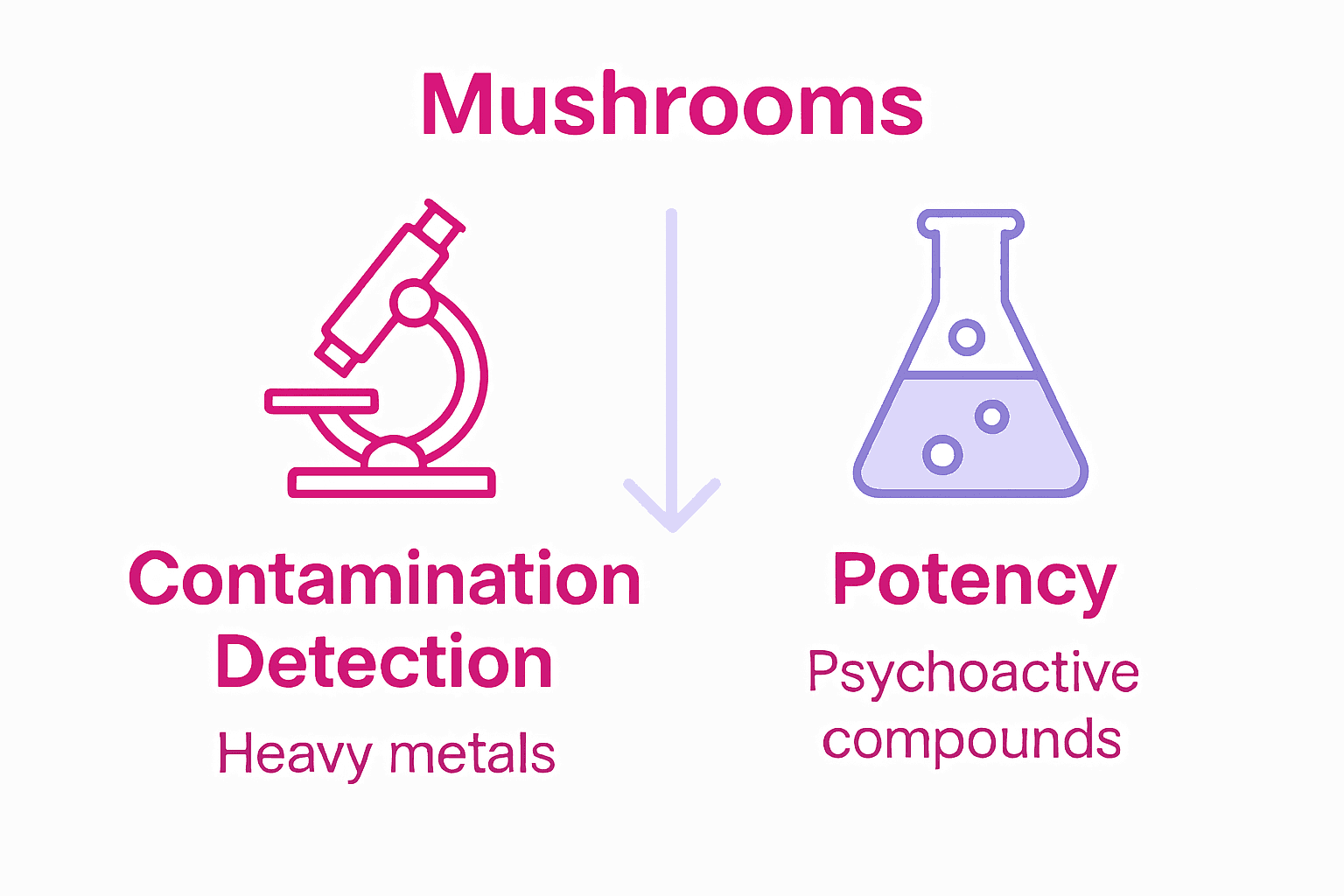
Heavy Metal Contamination represents a significant risk in mushroom cultivation. According to PMC research, mushrooms have a remarkable ability to bioaccumulate heavy metals from their growing environment. This means the substrate and surrounding ecosystem directly impact the mushroom’s chemical composition, making precise detection methods crucial for ensuring consumer safety.
Key contaminant detection parameters include:
- Microbial presence screening
- Heavy metal concentration analysis
- Pesticide and chemical residue testing
- Structural integrity assessment
- Potential pathogen identification
Potency level determination involves sophisticated scientific techniques that measure the concentration of active compounds. Specialized laboratory equipment can precisely quantify the concentration of psychoactive substances, ensuring consistency and predictability for users seeking controlled experiences.
The ultimate goal of comprehensive testing is risk mitigation. By employing advanced detection methodologies, cultivators and researchers can identify potential hazards before they reach consumers, transforming mushroom consumption from a potential health risk into a carefully controlled and scientifically validated experience.
Legal Risks and Compliance Considerations
Navigating the complex landscape of mushroom testing involves understanding intricate legal and regulatory requirements. FDA guidelines provide critical recommendations for detecting potential contaminants in dried mushroom products, emphasizing the paramount importance of meeting stringent safety standards.
Regulatory Compliance is not optional but mandatory for anyone involved in mushroom production or distribution. PubMed research underscores the essential nature of proper identification and quality evaluation to meet regulatory standards and ensure consumer safety. Failure to adhere to these guidelines can result in significant legal consequences, including potential fines, product recalls, and legal liabilities.
Key legal considerations include:
- Strict documentation of testing protocols
- Comprehensive quality control records
- Transparent reporting of testing results
- Compliance with local and federal regulations
- Maintaining chain of custody for tested samples
The legal landscape surrounding mushroom testing is particularly complex for psychedelic and experimental varieties. While traditional culinary mushrooms have well-established regulatory frameworks, emerging psychedelic research and potential therapeutic applications create additional layers of legal scrutiny. Businesses and researchers must navigate a constantly evolving regulatory environment that demands meticulous attention to legal and scientific details.
Ultimately, comprehensive testing is more than a scientific imperative – it’s a legal and ethical responsibility. By implementing rigorous testing protocols, stakeholders protect not just their business interests, but also the health and safety of potential consumers, demonstrating a commitment to transparency and responsible practice in an increasingly sophisticated market.
Avoiding Unsafe or Ineffective Products
Product safety begins with understanding the critical importance of comprehensive testing. PubMed research highlights that accurate identification and quality evaluation techniques are fundamental in preventing the consumption of unsafe or ineffective mushroom products.
Consumers must develop a strategic approach to product selection. Red flags that indicate potentially unsafe products include:
- Lack of transparent testing documentation
- Absence of detailed laboratory analysis reports
- Unclear sourcing information
- Inconsistent potency measurements
- Incomplete contamination screening results
PubMed research emphasizes that implementing advanced detection technologies is crucial in ensuring the safety and quality of mushroom products before they reach consumers. This means looking beyond surface-level marketing claims and demanding comprehensive scientific verification.
Navigation of the mushroom product landscape requires a critical and informed mindset. Reliable products will provide full transparency about their testing protocols, including detailed reports on chemical composition, potential contaminants, and precise potency levels. Consumers should treat these documentation requirements as non-negotiable, understanding that rigorous testing is the primary defense against potentially dangerous or ineffective mushroom products.
Ultimately, protecting yourself means becoming an educated consumer. Ask questions, request documentation, and never compromise on safety. The small effort invested in verifying a product’s authenticity can prevent significant health risks and ensure a safe, meaningful experience.
Ensure Safety and Quality with Every Mushroom Experience
Testing mushrooms is vital to protect yourself from impurities and unknown potency. The detailed guidance on species identification, contamination detection, and potency verification highlights how crucial it is to trust the products you consume. If you want consistent effects and peace of mind, relying on lab-tested products backed by transparent quality checks is key.
Explore our Mushroom Archives – Psychedelics Zone for carefully curated, thoroughly tested options designed to support safe use and personal growth. Our platform offers fast nationwide shipping, discreet packaging, and a variety of microdosing-friendly choices that meet high safety standards. Start your journey with confidence by visiting https://psychedelicszone.com today and discover mushroom products you can fully trust.
Frequently Asked Questions
Why is mushroom testing essential?
Mushroom testing is essential for safety and quality assurance, focusing on species identification, contamination risk, and potency verification. Comprehensive evaluations are critical to ensure that consumers engage with safe and effective mushroom products.
What are the main types of mushroom testing methods?
The main types of mushroom testing methods include macroscopic and microscopic analysis, molecular analysis, chromatography, and spectroscopy. Each method serves to identify species, assess purity, and measure chemical composition and potency.
How can contamination affect mushroom safety?
Contamination can significantly impact mushroom safety by introducing harmful microorganisms, heavy metals, pesticides, or other chemical residues. Rigorous screening for these contaminants is crucial to ensure that mushrooms are safe for consumption.
What should consumers look for to avoid unsafe mushroom products?
Consumers should seek transparency in testing documents, including laboratory analysis reports, clear sourcing information, consistent potency measurements, and comprehensive contamination screening results to avoid unsafe or ineffective mushroom products.